Bladder leaks can feel like an awkward topic, but they’re more common than you might think, and they’re not something you have to put up with. If you’re looking for stress urinary incontinence treatment in Adelaide, this article will help you understand the problem and what you can do about it.
Stress incontinence often shows up during moments of movement or pressure — like laughing, sneezing, or lifting.
During these moments, if the pressure within the abdomen is more than your pelvic floor can generate, you are at risk of a urine leakage.
It can affect your confidence, your exercise routine, even your social life. But the good news is that effective, evidence-based treatment exists.
And women’s health physiotherapy is one of the first steps.
If you’re wondering where to start, here’s what’s going on in your body, and how we can help. If you’d like to talk with an Adelaide physio experienced in helping with stress urinary incontinence and any other women’s health issue, please accept this invitation to call us on (08) 8356 1000 to have a free chat with Lisa or book a call online.
- Stress urinary incontinence (SUI) causes bladder leaks during movement or pressure — like coughing, sneezing, or lifting.
- It’s very common in women of all ages — especially postnatal, during menopause, and with certain types of exercise.
- SUI is caused by changes in the pelvic floor muscles, which may be weak, stretched, or not activating well under pressure.
- Physiotherapy is the first-line treatment — supported by strong evidence and often effective without surgery or medication.
- SUI is common, but not something you have to accept as “normal” — your pelvic floor can be retrained at any life stage.
What is stress urinary incontinence (SUI)?
Stress urinary incontinence (SUI) is when you experience involuntary loss of urine during activities that increase the pressure inside your abdomen. That might be coughing, sneezing, laughing, running, lifting, or even standing up quickly.
These types of leaks happen when the muscles and tissues that support the bladder and control urination aren’t able to handle that extra pressure.
It’s different from urge incontinence, which is when you feel a sudden, strong urge to urinate and sometimes don’t make it in time. Some people experience both types — that’s called mixed urinary incontinence.
Stress incontinence is very common, especially for women.
The research suggests it affects up to 1 in 3 women at some point in their lives (Alhamoud et al., Healthcare, 2024).
Who does it affect?
Stress incontinence can affect women at all stages of life. Some of the most common groups we see at Adelaide West Physio + Headache Clinic include:
- Postnatal women — especially after a vaginal birth, where the pelvic floor and connective tissues have been stretched or strained
- Perimenopausal and older women — hormonal changes and normal age-related changes can reduce tissue tone and strength
- Active women — including runners, dancers, and gym-goers, where impact and pressure can reveal pelvic floor weaknesses
It’s worth knowing that just because SUI is common, it doesn’t mean it’s “just part of life.”
In fact SUI is very treatable; and we can help. Learn more about our Adelaide women’s health physio service.

Got Questions? Speak to a PHYSIO FREE
Wondering about you Stress Urinary Incontinence treatment options?
Book a 15-minute phone call with Lisa, our women’s health physio – no strings attached.
Call 8356 1000 to organise a FREE ‘ASK A PHYSIO’ PHONE CALL today!
What's happening in your body with SUI?
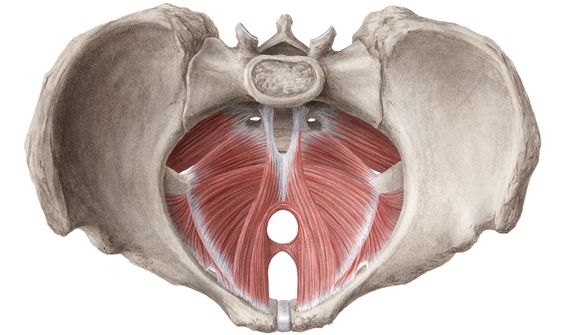
Your pelvic floor is a group of muscles, ligaments, and connective tissues that sit like a supportive hammock at the base of your pelvis.
These muscles help support the bladder, bowel, and uterus — and they play a crucial role in bladder control.
When your pelvic floor is strong and well-coordinated, it responds quickly to pressure – like a sneeze or a sudden laugh – and it prevents any leakage. But when it’s weakened or not activating well, that increase in pressure can cause leaks.
There are many reasons the pelvic floor might not be working as well as it could:
- Pregnancy and childbirth (even years ago)
- Hormonal changes around menopause
- Repeated heavy lifting or high-impact activity
- Constipation or straining
- Chronic coughing
- Normal age-related changes
You can think of the pelvic floor like a trampoline. When the springs are tight and responsive, it bounces back quickly.
But if it’s been stretched, overloaded, or not working in sync, it can’t do its job as well.
Just like any other muscle, the pelvic floor can be retrained – and womens health physiotherapists are specially trained to help you do that safely and effectively.
Evidence-based treatment for stress urinary incontinence
Pelvic floor strengthening is first-line treatment
Multiple clinical guidelines recommend pelvic floor muscle training as the first-line treatment for stress urinary incontinence in women – often before considering medication or surgery (Bø, Journal of Physiotherapy, 2020; Ghaderi, JFRH, 2014).
Surgery is considered a second-line option, generally only recommended when physiotherapy and other conservative treatments haven’t provided enough relief. While surgical options can be effective in the right cases, they come with risks and recovery time, so trying non-invasive treatments first is widely supported.
Working with a physiotherapist helps ensure that you’re targeting the right muscles, using the correct technique, and building the coordination and endurance needed for real-life situations, not just doing exercises in isolation.
In many cases, a tailored physio program can significantly reduce or even resolve symptoms, especially when you stick with it and follow a structured plan.

What to expect in a physio appointment
Your first session will focus on understanding your symptoms, goals, and medical history. You’ll never be rushed or judged — and everything is discussed in a private, respectful environment.
We might assess how your pelvic floor is working through gentle techniques (internal or external), and offer tools like real-time ultrasound as biofeedback to help you see and feel what’s happening.
From there, you’ll receive a personalised plan, including:
- Targeted pelvic floor exercises
- Advice on bladder habits and fluid intake
- Strategies to manage pressure (like during lifting or coughing)
- Support with any lifestyle or exercise modifications
Every plan is tailored to your goals and comfort level.
Click here if you would like to learn more about our womens health service or call us on 8356 1000 to speak with Lisa Vernon, our women’s health physio.

What are 'Kegels' - and why they're not one-size-fits-all
You’ve probably seen the term “Kegels” online. It’s a common name for pelvic floor exercises but here’s the thing: not everyone does them correctly, and not everyone should start with the same routine.
Some women accidentally over-brace or engage other muscles like the glutes or inner thighs. Others do too many too fast, without control. And a small number may even have a pelvic floor that’s too tight, not too weak.
That’s why having guidance from a physiotherapist is so important. It’s not about “doing your Kegels” — it’s about doing the right pelvic floor training for your body.
Practical strategies you can start now
There’s a lot physiotherapy can do to help — but there are also small steps you can take today that may help reduce leaks and protect your pelvic floor.
Here are some practical starting points:
- Learn to gently activate your pelvic floor.
Try tightening the muscles you’d use to stop passing wind. Aim for a gentle “lift and hold” — not a full-body brace or clench. If you’re unsure you’re doing it right, that’s exactly where physio can help. - Avoid “just in case” trips to the toilet.
Going too often can actually teach your bladder to hold less, not more. Try to wait until you feel a genuine urge, and avoid going “just in case” before you leave the house. - Watch out for bladder irritants.
Things like caffeine, fizzy drinks, alcohol, and artificial sweeteners can sometimes irritate the bladder lining. If you’re noticing urgency or frequency, it might be worth cutting back to see if symptoms improve. - Use your breath and pelvic floor together.
When lifting or coughing, try to exhale and gently engage your pelvic floor at the same time. This helps manage pressure and support your bladder. - Don’t ignore it or push through.
Many women wait years before seeking help for stress incontinence — but you don’t need to. If you’re leaking during movement, exercise, or daily life, a tailored plan can make a big difference.
These are just starting points. Everyone’s body and symptoms are different — and that’s why an individualised approach is so important.
Not Sure If Physio Can Help?
A quick chat can often clarify the next step.
Call 8356 1000 to organise a FREE ‘ASK A PHYSIO’ PHONE CALL with Lisa today!

Final advice
Bladder leaks are common, but they’re not something you have to just live with.
If you’ve been quietly putting up with stress incontinence, whether for months or years, know that it is a problem with a solution that in many cases doesn’t involve surgery.
Women’s health physiotherapy offers a respectful, evidence-based way forward. With the right assessment, guidance, and plan, many women are able to regain control and confidence.
We help people all over Adelaide, especially in our local western suburbs of Adelaide like Fulham, Henley Beach, Lockleys or West Beach with stress urinary incontinence treatment that’s tailored to each individual.
You deserve to move through life freely without holding back, planning around bathrooms, or feeling like this is just something you have to accept.
Ready to take the next step? Book your initial consultation here.
Talk to a Physio FREE Today!*

Frequently-Asked Questions
Here are the most common questions people ask when looking into treatment for stress urinary incontinence:
What is pelvic floor physiotherapy for stress urinary incontinence?
Pelvic floor physiotherapy focuses on strengthening and retraining the muscles that support your bladder and urethra. When these muscles become weak or uncoordinated, leakage can occur during coughing, laughing, or activity. A women’s health physio uses targeted exercises, manual therapy, and biofeedback to restore proper muscle function and reduce urine leakage.
How does pelvic floor therapy help with urine leakage from coughing, laughing, or exercising?
These activities increase pressure on the bladder, and if the pelvic floor can’t contract quickly or strongly enough, leakage happens.
Pelvic floor therapy improves both the strength and reflexive response of these muscles, helping them automatically engage when pressure rises. Over time, this reduces or eliminates leakage during daily movements and workouts.
What happens during my first pelvic floor physiotherapy appointment?
Your first visit includes a detailed conversation about your symptoms and goals, followed by an assessment of posture, breathing, core function, and pelvic floor muscles. With your consent, the therapist may perform a gentle internal exam to evaluate strength and coordination.
You’ll leave with a personalized plan and clear steps to begin improving your symptoms. You can learn more here about what to expect during your first women’s health physio appointment.
How long does it take to see results from pelvic floor physio for stress incontinence?
Most people notice some improvement within 4–6 weeks, with more significant changes often appearing by 8–12 weeks. Consistency with both in-clinic treatment and home exercises is key.
Your timeline may vary depending on factors like postpartum recovery, hormonal changes, or how long symptoms have been present.
Can pelvic floor exercises help if I’ve already tried them on my own?
Yes — many people perform pelvic floor exercises incorrectly or only strengthen without addressing timing, relaxation, or coordination.
A women’s health physio helps you identify whether your muscles need strengthening, relaxing, or retraining.
With guided exercises and feedback, patients who previously “failed” often see meaningful improvement.
Is pelvic floor physio uncomfortable or invasive?
Most patients find sessions gentle and highly manageable. Internal assessments or treatments are always optional and performed only with your consent.
Your pelvic floor can also be assessed externally with the use of Real Time Ultrasound Imaging [link].
Your comfort and privacy are always prioritized.
Do I need a referral to start pelvic floor therapy for urinary leakage?
No you don’t! Just call us and book an appointment time with Lisa.
Can pelvic floor physio help postpartum or menopausal bladder leakage?
Yes — pelvic floor physio is highly effective in both of these stages. Postpartum, the pelvic floor often needs guided recovery after childbirth.
During perimenopause and menopause, hormonal changes can weaken pelvic support.
Physio provides tailored strategies to rebuild strength, improve tissue support, and regain bladder control.
When should I consider pelvic floor therapy instead of surgery for stress incontinence?
Pelvic floor physio is recommended as the first-line treatment for stress urinary incontinence and can reduce or resolve symptoms for many patients.
Surgery may be considered if conservative treatment doesn’t provide enough relief or if symptoms are severe.
Most patients benefit from trying physio first because it carries no downtime, no risks, and often significant improvement.
References
Alhamoud, M. A. S., Alobaylan, M. A. S., Alenezi, T. M. F., Alharbi, T. S. M., & Alothman, A. S. (2024). The prevalence and risk factors of stress urinary incontinence in women: A cross-sectional study. Healthcare, 12(23), 2440.
Bø, K. (2020). Physiotherapy management of urinary incontinence in women. Journal of Physiotherapy, 66(2), 89–97.
Ghaderi, F. (2014). Physiotherapy for women with stress urinary incontinence. Journal of Family & Reproductive Health, 8(3), 113–117.
Sangsawang, B., & Sangsawang, N. (2013). Stress urinary incontinence in pregnant women: A review of prevalence, pathophysiology, and treatment. International Urogynecology Journal, 24(6), 901–912.
Haga, N., Sugaya, K., & Ogawa, T. (2025). Prevalence and risk factors of stress urinary incontinence in community-dwelling women. BJUI Compass, 6(1), 50–56.
Continence Foundation of Australia. Pelvic floor muscle exercises for women. Retrieved from https://www.continence.org.au/resource/06-pelvic-floor-muscle-exercises-women
Australian Physiotherapy Association. Urinary incontinence: Don’t just go with the flow. Retrieved from https://australian.physio/inmotion/urinary-incontinence-dont-just-go-flow