
No awkwardness. Just a clear assessment and a step-by-step plan.
No GP referral is required
Prefer to talk first? Call 8356 1000
Bladder & bowel • pregnancy & postnatal recovery • return to exercise
Bladder, bowel and pelvic floor concerns can be confusing – you’re not the only one wondering where to start.
They might build gradually, or show up after pregnancy, birth, menopause, surgery, injury, or a change in exercise.
Women’s health physio can help you understand what may be contributing and what your next steps could look like.
We provide support for bladder, bowel, pelvic floor, pregnancy, postnatal and return-to-exercise concerns.
Our Fulham clinic is convenient for people from Adelaide’s western suburbs, including Henley Beach, Lockleys, Fulham Gardens, West Beach, Findon and Grange.
Some symptoms overlap, so the first step is working out what’s most relevant for you.
Prefer to talk first? Call 8356 1000
Planning around toilets, wearing pads “just in case,” avoiding exercise, or feeling nervous about coughing, laughing or lifting can become exhausting.
These symptoms are common, but they are worth assessing if they are affecting your confidence, comfort or day-to-day life.
Talking about bladder, bowel, or pelvic symptoms can feel awkward at first.
We understand.
Lisa Vernon is our women’s health physiotherapist.
She has additional training in women’s health and pelvic floor physiotherapy.
She’s calm, practical, and very good at making the ‘awkward stuff’ feel a whole lot less awkward.
Her aim is to help you feel comfortable, informed and clear about your next step.
Appointments are private, respectful, and focused on helping you understand what’s going on and what your options are.

It’s normal to feel unsure talking about bladder, bowel, pelvic, or postnatal concerns.
Appointments are private, respectful, and guided by what you’re comfortable with.
We explain your options before anything happens, so you can decide what feels right for you.
You can say yes, no, “not today,” or ask more questions first.
We can still start with other assessment and treatment options.
Prefer not to have an internal assessment?
Real-time ultrasound may be an option as a non-invasive way to help you understand your pelvic floor movement and coordination.
A short phone chat can help you work out whether an appointment sounds like the right next step.
Bladder, bowel and pelvic symptoms are common across life stages — especially around pregnancy, postnatal recovery and peri/menopause.
But if symptoms are persisting, recurring, or getting in the way of exercise, work, social plans, intimacy or sleep, it may be worth having them properly assessed.
A clear assessment helps work out what’s most relevant for you.
There’s no one-size-fits-all program.
01
We start with a thorough assessment
We’ll talk through what’s been happening, what seems to trigger your symptoms, and what you’d like to get back to.
The assessment is respectful, private and guided by your comfort.
02
We explain what is most relevant
You’ll get a clear explanation of what may be contributing, plus practical options that suit your symptoms and goals.
Then we map out a practical plan that fits your life – not an unrealistic program you can’t maintain.
03
We adjust the plan as you go
Your plan can change as your symptoms, strength, confidence and goals change.
We’ll review, progress and adjust things step by step.
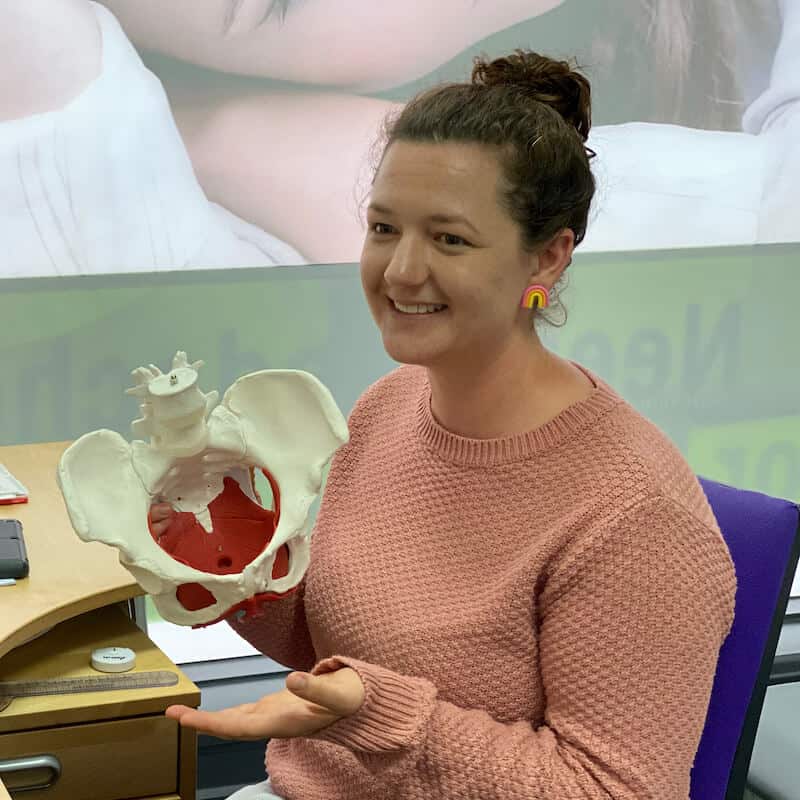
Find out more about how Lisa approaches your first women’s health physio appointment, including what you’ll discuss and the choices available to you.
Women’s health symptoms can feel isolating, especially when you’ve been quietly working around them for a long time.
With the right assessment and a plan, many people notice improvements in comfort, confidence, and a sense of control.
Adelaide West Physio + Headache Clinic is located on Henley Beach Road in Fulham, Adelaide.
We support people from Adelaide’s western suburbs, including Henley Beach, Lockleys, Findon, Grange, West Beach and surrounding areas, with women’s health and pelvic floor physiotherapy for bladder, bowel, pregnancy, postnatal and return-to-exercise concerns.
Get a clear assessment and a step-by-step plan for returning to school, work, exercise or sport.
No GP referral is required for physiotherapy
Recent injury or worsening symptoms? Read when to seek urgent medical care.
No. An internal assessment is never automatic. If it’s clinically relevant, we’ll explain why and what your options are. You can say yes, no, or “not today,” and we can still start with other assessment and treatment approaches.
That’s understandable to feel a little embarrassed or unsure. These are common issues and we discuss them every day. Appointments are private, respectful, and you set the pace.
Often, yes. Many people have tried generic “Kegels” without an assessment. The right approach depends on whether you need strength, coordination/timing, relaxation of an overactive pelvic floor, or pressure management. We tailor the plan to what is most relevant for your symptoms.
They’re common, but it’s not ‘normal’ or an expected part of ageing.
It certainly doesn’t mean you have to just put up with them.
Leakage and prolapse symptoms become more common around pregnancy and with age, but they’re still worth discussing when they affect comfort, confidence or daily life.
If symptoms are affecting comfort, confidence, exercise, or day-to-day life, it’s worth getting assessed—there are evidence-based strategies that can help.
Yes. Women’s health symptoms often overlap.
We’ll assess what’s most relevant for you, prioritise what’s bothering you most, and build a step-by-step plan that addresses the whole picture.
No. Pelvic floor function is often part of the picture, but assessment and treatment can also involve improving bladder or bowel habits, pain management strategies, return-to-exercise planning, and pregnancy/postnatal support.
Women’s health physios assess and treat a number of issues that are encountered by women. These include:
They are also able to assess and teach how to engage the pelvic floor muscles correctly.
Women’s health physios take a thorough history including current bowel habits, stool consistency and time taken, and frequency of defecating.
You will then be guided on strategies to improve your bowel function.
No you don’t. With your consent, the physio may write to other health professionals that are involved in your care for these issues.
If you’d like to learn more about women’s health topics, these articles may help.
How do you know if you are doing pelvic floor exercises correctly? It’s hard to know … because you can’t see (without help)! This article explains what to look for.
It’s understandable that a womens health physio appointment might seem a bit confronting. The aim of this article is to answer your questions and put you at ease!
This article will help you to understand some of the basics of the pelvic floor. Don’t worry if you aren’t really sure about your pelvic floor anatomy – most women aren’t!
This article explains what stress urinary incontinence is, who it affects, and how women’s health physiotherapy can help — including evidence-based treatments and practical strategies.