If you have been told your scans are “normal” but you still feel constantly dizzy, off balance, or not quite yourself, persistent postural-perceptual dizziness, or PPPD, may be part of the explanation.
PPPD is a recognised vestibular condition that causes ongoing non-spinning dizziness, unsteadiness, or a rocking or swaying sensation, often after an earlier episode of vertigo, migraine, concussion, or another balance-related event.
In clinic, this is one of the most common and confusing vestibular presentations I see.
Many people arrive feeling unsettled because there does not seem to be a clear explanation, even though the symptoms are very real.
The key thing to understand is that PPPD is not a structural problem. It is a functional change in how the brain is processing balance and movement.
Once that pattern is recognised, treatment can be much more targeted and much more helpful.
If these symptoms have been lingering, a proper vestibular assessment can help make sense of what is happening, and map out the next steps. If you are in Adelaide, book online, or call to chat with one of our physios free of charge.
- PPPD is a chronic vestibular condition that causes ongoing non-spinning dizziness, unsteadiness, or a rocking or swaying sensation on most days for at least three months.
- Symptoms are usually worse with upright posture, movement, and visually busy environments such as supermarkets, traffic, scrolling screens, or crowded spaces.
- PPPD often begins after something disrupts the balance system, such as vertigo, benign paroxysmal positional vertigo (BPPV), vestibular neuritis, vestibular migraine, concussion, or a stressful health event.
- It is a functional vestibular disorder, which means the problem is in how the brain is processing balance and movement signals, not that symptoms are imagined or that there is ongoing structural damage.
- Treatment often involves education, vestibular rehabilitation, graded exposure, and sometimes support for related anxiety or migraine.
What is persistent postural-perceptual dizziness?
Persistent postural-perceptual dizziness, or PPPD, is a chronic vestibular condition that affects how the brain processes balance and movement information.
It usually causes a constant or near-constant sense of dizziness, unsteadiness, or spatial discomfort, rather than the spinning sensation people often associate with vertigo.
The name sounds technical, but each part is useful:
- Persistent means the symptoms keep showing up on most days.
- Postural means they are often worse when you are upright.
- Perceptual reflects the way the brain is interpreting balance, motion, and visual information.
- Dizziness is the end result, although many people describe it more as rocking, swaying, floating, or feeling off balance than true spinning vertigo.
One of the most important things to understand is that PPPD is a functional vestibular disorder.
Rather than being caused by damage, PPPD reflects a change in how the brain interprets information coming from the balance system.
In clinic, I often explain it as the brain staying in a protective mode for longer than it needs to. Even though the original issue has settled, the system remains on high alert.
That does not make the symptoms any less real. It simply means the problem is more about altered processing and protective movement patterns than ongoing damage (Popkirov et al., 2018; Staab et al., 2017).
This is often reassuring to hear. PPPD does not mean there is something structurally wrong or injured.
Instead, it means the brain and balance system have stayed in an overprotective mode for longer than needed.
What does PPPD feel like day to day?
PPPD can feel different from person to person, which is one reason it is often misunderstood at first. Many people do not describe a true spinning vertigo. Instead, symptoms are more likely to feel like:
- feeling off balance
- feeling foggy or floaty
- a heavy-headed sensation
- rocking or swaying, even when standing still
- unsteadiness when walking
- feeling worse when turning quickly or standing in one spot for too long
For some, the symptoms are there in the background all day. For others, they fluctuate but never seem to fully settle.
It is also common to feel worse in busy environments.
Visually complex places are a particularly common trigger. Supermarkets, shopping centres, traffic, patterned floors, crowds, scrolling on a phone, or even fast-moving scenes on a screen can make symptoms feel much more noticeable.
These situations place a heavier demand on the brain’s balance and visual systems, which is often where PPPD starts to show itself most clearly.
Many people also notice that fatigue, poor sleep, stress, or feeling “on alert” can make symptoms feel stronger.
That does not mean the dizziness is simply caused by stress. It means the nervous system is more sensitive, and the symptoms often become louder when the system is already under load.
PPPD does not mean ongoing damage. It means the balance system has become more sensitive and protective, and that pattern can be treated.
What causes PPPD?
PPPD often starts after something has disrupted the balance system.
For some people, that trigger is a clear vestibular event such as benign paroxysmal positional vertigo (BPPV), vestibular neuritis, labyrinthitis, or vestibular migraine.
For others, it may begin after concussion, a panic attack, a period of significant stress, or another health episode that leaves them feeling unsteady or hyperaware of movement.
In the early stages, the brain is often trying to protect you. It may begin relying more heavily on vision, stiffening posture, or increasing muscle tension to help you feel steadier. That can be useful in the short term, but if the system stays in that mode for too long, those protective strategies can start to make balance feel less natural and more effortful.
What I commonly see is that even after the original issue improves, the brain continues to act as though it needs to protect you. Over time, it can become more sensitive to normal motion, busy environments, and body sensations that would usually be filtered out.
People often start monitoring their symptoms more closely, avoiding certain movements or places, and losing confidence in their balance. Understandably, that can create a cycle where the system stays on high alert.
This is why PPPD is not “just anxiety,” even though anxiety can be part of the picture.
Anxiety can be a trigger, a consequence, or something that makes symptoms feel stronger, but it is not the whole explanation.
PPPD is better understood as a change in how the brain manages balance, movement, and sensory information, influenced by both physical and psychological factors
How is PPPD diagnosed?
PPPD is diagnosed clinically, which means the diagnosis is based on the pattern of symptoms rather than one single scan, blood test, or imaging finding.
A question I hear often is, “If everything is normal, why do I still feel this way?” That is often why people feel confused in the early stages. They may have had tests that look normal, but the overall symptom picture still fits clearly once the right questions are asked.
The diagnosis is based on a few key features. Symptoms are present on most days for three months or more. They are typically worse when standing upright, when moving, and in visually busy environments (Staab et al., 2017).
PPPD also usually begins after something that has disturbed the balance system, such as an episode of vertigo, migraine, illness, concussion, or another event that left the person feeling dizzy or unsteady.
Another important part of diagnosis is that the symptoms cause real disruption. They may affect walking, work, exercise, driving, shopping, or general confidence in daily life. At the same time, the symptoms should not be better explained by another condition on its own.
That said, PPPD can exist alongside other vestibular conditions, rather than replacing them completely.
This is why assessment matters. The goal is not simply to put a label on the symptoms. It is to understand the pattern properly, rule out other important causes where needed, and identify what is now keeping the dizziness going.
If you have had ongoing dizziness without a clear explanation, a vestibular physiotherapist’s assessment can help clarify the pattern and rule in or out PPPD.
Got Questions? Speak to a PHYSIO FREE
Problems with dizziness or vertigo? Not sure what to do next?
Book a 15-minute phone call with Aniket – no strings attached.
Call 8356 1000 to organise a FREE ‘ASK A PHYSIO’ PHONE CALL today!
(For Adelaide residents only)
How is PPPD different from other causes of dizziness?
One reason PPPD is often missed early on is that dizziness can mean very different things to different people. It is a symptom, not a diagnosis, and several conditions can look similar at first.
In some cases, PPPD can also develop alongside another vestibular problem, which makes the picture even less straightforward.
For example, benign paroxysmal positional vertigo (BPPV) usually causes brief bursts of spinning vertigo triggered by certain head movements, such as rolling in bed, looking up, or bending forward. PPPD is different. It tends to cause a more persistent sense of unsteadiness, rocking, swaying, or feeling visually overwhelmed, rather than short, distinct spinning episodes.
Vestibular neuritis usually comes on more suddenly and tends to cause a strong vertigo episode that is often followed by gradual recovery. PPPD can develop afterwards, even when that original vestibular event has settled.
Vestibular migraine can also overlap with PPPD, particularly when dizziness, motion sensitivity, and visual sensitivity are all part of the picture.
It is also important to consider other causes of persistent dizziness, including medication side effects, concussion, blood pressure changes, and other neurological or vestibular conditions.
Scans may sometimes show normal age-related changes, but those findings do not automatically explain ongoing dizziness.
The key is to look at the full pattern of symptoms, rather than relying on one test result or scan report alone.

Why do PPPD symptoms often persist?
One of the most frustrating parts of PPPD is that symptoms can continue long after the original trigger has settled. The initial vertigo episode may be over. The inner ear problem may have improved. Scans may not show anything concerning. But the dizziness can still feel very present.
Part of the reason is that the brain and body may still be acting as though balance is under threat.
People often begin moving more cautiously, relying more heavily on vision, tensing through the neck and body, or avoiding situations that bring symptoms on. These responses are completely understandable, but over time they can make balance feel less automatic and more effortful.
It is also common to become highly aware of every sensation. When that happens, the brain starts paying closer attention to movement, visual input, and body sensations that would usually fade into the background. The system becomes more alert, more sensitive, and more likely to react to things that would not normally feel threatening.
This is why recovery is usually not about simply waiting for symptoms to disappear. It is about helping the nervous system feel safer with movement again, dial down that sense of threat, and gradually rebuild confidence in balance.
What treatment helps PPPD?
Treatment for PPPD usually works best when it combines education, vestibular rehabilitation, and gradual exposure to the movements or environments that have started to feel difficult.
For most people, recovery is not about one single fix. It is about using the right combination of strategies to help the nervous system settle and regain confidence in movement (Knight et al., 2025; Popkirov et al., 2018).
Education matters because understanding the condition often reduces fear and confusion.
When people realise the dizziness is real, but not a sign of ongoing damage, it can change how they respond to symptoms. That shift is often an important part of recovery.
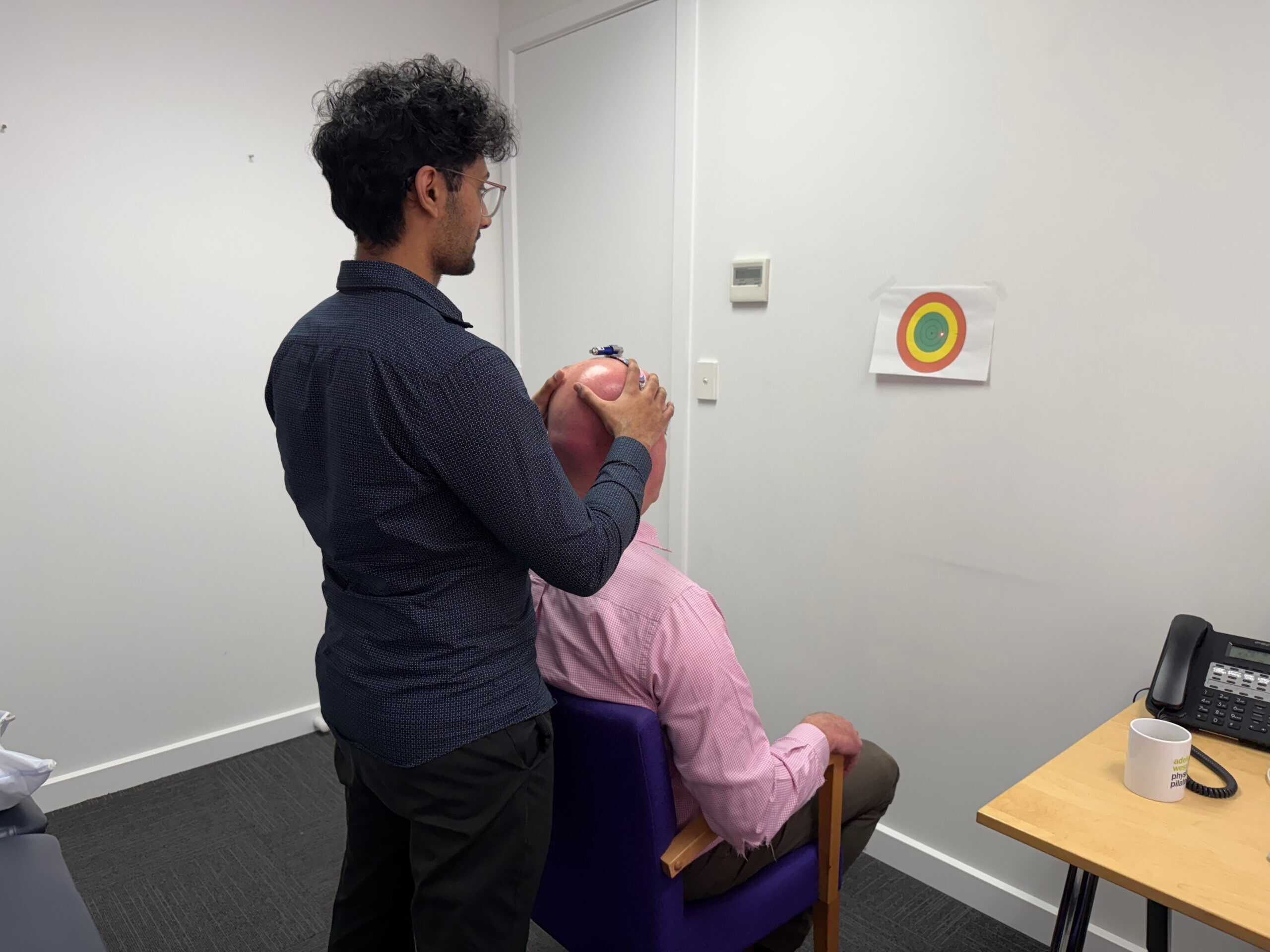
Vestibular rehabilitation aims to help the brain become less sensitive to movement, visual input, and balance-related sensations. This is not about forcing through symptoms. It is about graded, manageable exposure that helps the system rebuild tolerance over time.
In my experience, consistency tends to matter more than intensity. Small, steady progress is what leads to long-term improvement.
For some people, treatment also needs to address factors such as anxiety, symptom monitoring or hypervigilance, poor pacing, migraine, or a strong fear of bringing symptoms on. In those cases, support from a GP, psychologist, or other health professional can be an important part of the plan.
There is also growing support for combining physical rehabilitation with approaches such as cognitive behavioural therapy when fear, anxiety, or symptom monitoring are playing a strong role (Zang et al., 2024; Simanavicius et al., 2025).

How can physiotherapy help PPPD?
Physiotherapy is often an important part of treatment for PPPD, especially when the balance system has become more sensitive to movement, visual input, and certain environments. A good assessment does more than confirm that dizziness is present. It helps identify the pattern behind it, including:
- what tends to trigger symptoms
- which movements or situations feel hardest
- whether visual motion is a major factor
- how balance confidence has been affected
- whether certain activities or environments are now being avoided
This helps build a clearer picture of what is driving the dizziness now, not just what may have started it. Treatment is then tailored to the individual. Depending on the person, physiotherapy may include:
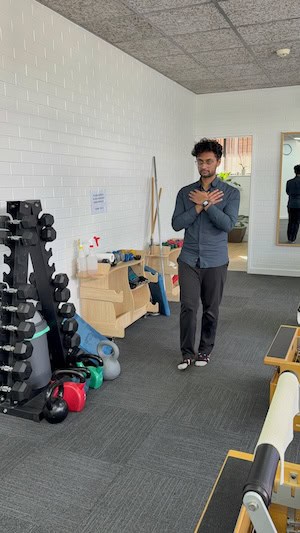
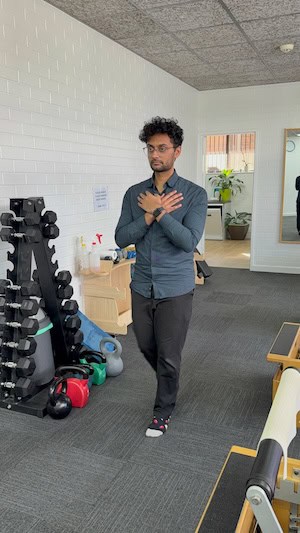
- graded head movement exercises
- walking and turning practice
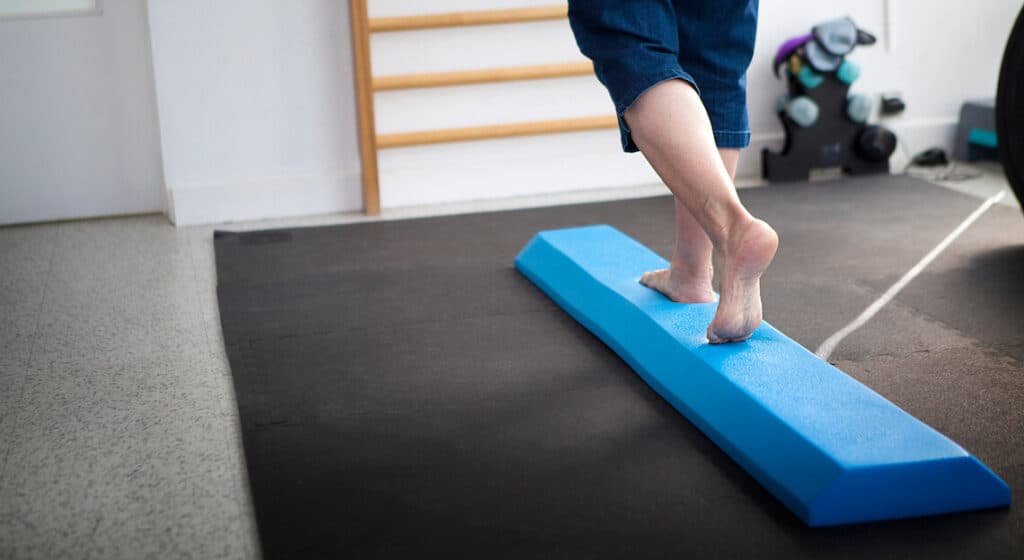
- balance retraining
- gradual exposure to visual motion and busy environments
- pacing strategies
- reducing symptom monitoring or hypervigilance
- gradually returning to shops, traffic, crowds, or other challenging settings
Just as importantly, vestibular physiotherapy helps people understand what their symptoms mean.
When someone understands why dizziness flares, why certain environments feel difficult, and how to retrain the system safely, treatment often feels less frightening and more manageable (Knight et al., 2025; Simanavicius et al., 2025).
The goal is not to push through symptoms blindly. It is to build tolerance, reduce fear, and help balance feel more automatic again.
For people in Adelaide dealing with persistent dizziness, working with a physio who understands PPPD and other vestibular conditions can make a real difference.
At Adelaide West Physio + Headache Clinic in Fulham, that means understanding what is driving your symptoms and guiding treatment in a way that is gradual, practical, and specific.
What practical strategies may help?
Practical strategies can help reduce the sense of overload that often builds with PPPD, but the goal is not to avoid every symptom trigger.
It is to find a manageable starting point and build from there.
A few practical strategies that can help include:
- keeping daily movement as steady as possible, rather than doing too much and then ‘crashing’
- breaking difficult activities into smaller, more manageable steps
- gradually reintroducing walking, turning, shops, scrolling, or other visually busy environments instead of avoiding them completely
- using calm breathing or grounding strategies when symptoms rise, rather than bracing against them
- paying attention to sleep, stress load, pacing, and migraine triggers where relevant
- getting assessed if symptoms are affecting work, exercise, driving, shopping, or general confidence day to day
These strategies are not about ignoring symptoms. They are about helping the nervous system become less reactive over time.
For many people, the hardest part is learning how to do a little more without fear and avoidance taking over each time symptoms rise. That is often where the right support can make the process feel much more manageable.
If symptoms are continuing to affect work, driving, exercise, or day-to-day confidence, getting the right support can make the process feel much more manageable.
Frequently-Asked Questions
A diagnosis like PPPD often raises a lot of questions, especially if symptoms have been going on for some time without a clear explanation. A few of the most common ones are worth addressing directly.
Is PPPD dangerous?
PPPD can feel very unsettling, but it is not usually a sign of ongoing damage or a dangerous decline in the balance system. That said, persistent dizziness still deserves proper assessment to make sure other important causes have been considered.
Is it all in my head?
No. PPPD is a recognised vestibular condition. The symptoms are real. The issue is not that someone is imagining dizziness. It is that the brain and balance system have become more sensitive and less efficient in the way they process movement, posture, and visual information (Staab et al., 2017).
Can PPPD happen after vertigo has settled?
Yes. This is one of the most common patterns. The original vestibular event may improve, but the dizziness can continue because the system has stayed on high alert.
Can scans be normal?
Yes. Many people with PPPD have scans or tests that do not show a structural problem that explains the symptoms. That can be confusing, but it does not make the symptoms any less real (Popkirov et al., 2018).
Can physiotherapy help?
For many people, yes. Vestibular physiotherapy can help identify what is keeping symptoms going and guide treatment that gradually improves movement confidence, visual sensitivity, and balance.
How long does recovery take?
Recovery can vary. Some people improve quite steadily once the pattern is recognised and treatment is targeted appropriately. For others, progress is slower and less linear. The important thing is that improvement is possible, even if symptoms have been going on for a while.
Summary
Persistent postural-perceptual dizziness can feel confusing, exhausting, and difficult to explain, especially when symptoms continue after the original trigger has settled. But ongoing dizziness does not always mean ongoing damage. In many cases, it reflects a balance system that has become more sensitive and more protective, and that pattern can be treated.
The key is recognising what is actually driving the symptoms. Once that happens, treatment can become much more targeted, practical, and reassuring.
At Adelaide West Physio + Headache Clinic, I regularly work with people experiencing PPPD and other vestibular conditions. Our approach focuses on understanding what is driving your symptoms, then building a structured plan to help you regain confidence in movement and feel more steady day to day.
If this sounds like what you are looking for, the next step is an initial assessment so we can guide you in the right direction. You can book online, or call the clinic if you would prefer to speak with one of our physiotherapists first.
Talk to a Physio FREE Today!*

References
Knight B, Santos M, et al. Persistent Postural-Perceptual Dizziness. StatPearls. 2025 update.
Popkirov S, Staab JP, Stone J. Persistent postural-perceptual dizziness (PPPD): A common, characteristic and treatable cause of chronic dizziness. Practical Neurology. 2018;18(1):5-13.
Simanavicius V, et al. Effect of vestibular rehabilitation therapy in PPPD. 2025.
Staab JP, Eckhardt-Henn A, Horii A, et al. Diagnostic criteria for persistent postural-perceptual dizziness (PPPD): Consensus document of the committee for the Classification of Vestibular Disorders of the Bárány Society. Journal of Vestibular Research. 2017;27(4):191-208.
Zang J, Yu T, Xie W, et al. Additional cognitive behavior therapy for persistent postural-perceptual dizziness: A meta-analysis. 2024.