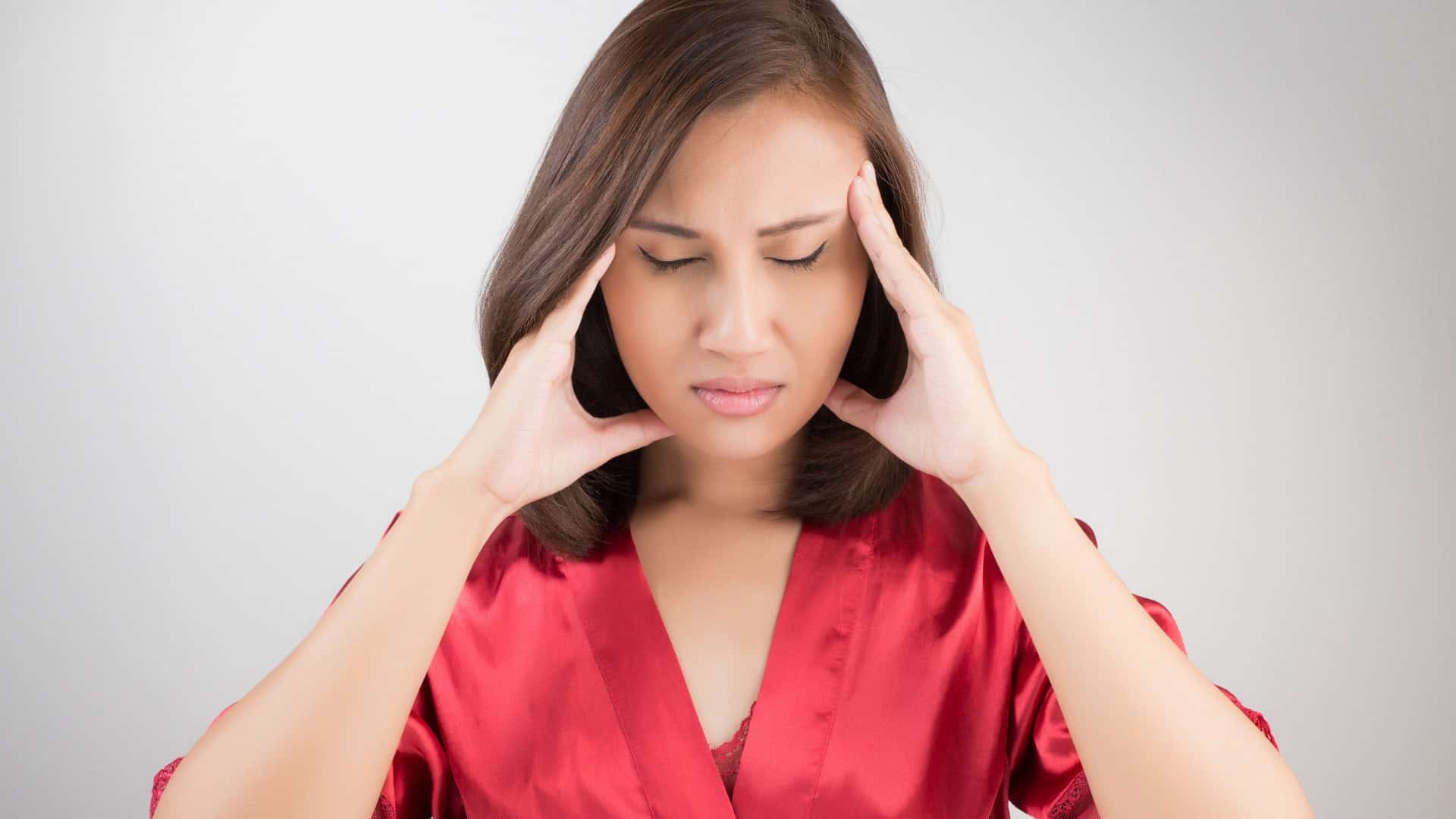
Cervicogenic dizziness can occur when dizziness appears alongside neck pain or stiffness.
Dizziness itself can be unsettling – whether it feels like lightheadedness, a floating sensation, or an unsteady sense of balance – and it’s not always clear what’s causing the symptoms.
Most people assume it’s a problem with the inner ear or blood pressure. Many don’t realise the neck can play a role in balance.
This article explains what cervicogenic dizziness is, what causes it, how it differs from other types of dizziness and how physiotherapy can help.
If you’d like to understand more about how our physiotherapists assess different dizziness and balance problems, you can read more about our dizziness and vestibular physio service.
If you’d prefer to talk it through, our vestibular physio Aniket offers a free, no-obligation phone call to answer your questions and help you work out the best next step. You can call us on (08) 8356 1000 or book online to organise a time.
“Cervicogenic dizziness can make everyday movement feel strange or disconnected – even though scans and balance tests may come back ‘normal.’
Understanding the condition is the first step to resolving it.”
is dizziness that comes from altered signalling in the neck
often feels more like imbalance, fogginess, or disorientation than classic vertigo spinning
is typically linked to neck posture, stiffness, or movement
is diagnosed by ruling out other causes and identifying a clear connection between neck symptoms and dizziness
often improves when the underlying neck issue is identified and appropriately managed
What is cervicogenic dizziness?
Cervicogenic dizziness (sometimes referred to as cervical vertigo) describes a sensation of disorientation or imbalance that arises from dysfunction in the neck, especially the upper cervical spine.
It’s not the classic spinning sensation linked to inner ear problems. Instead it is often a vague sense of unsteadiness, fogginess, or imbalance that tends to be closely related to neck movement or certain positions.
Symptoms can last minutes to hours, and often flare with head or neck movement, looking up or down for periods, or holding one position too long (Kristjansson et al., Manual Therapy, 2009).
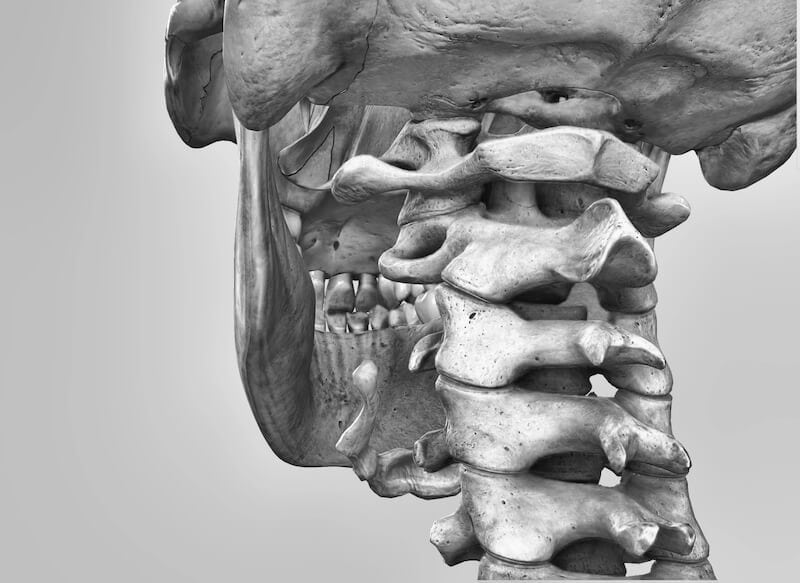
Research suggests that the upper cervical spine plays an important role in balance and spatial awareness because of its dense network of proprioceptive receptors.
When these signals become inaccurate or inconsistent, they can contribute to dizziness or disorientation.
How common is it?
Dizziness itself is quite common — research suggests that up to 20% of adults experience some form of dizziness each year.
But only a small portion of these cases are thought to be cervicogenic dizziness.
Exactly how common cervicogenic dizziness is remains uncertain. This is because there’s no single test that can confirm it. Instead, the diagnosis relies on ruling out other causes first.
This process – known as a diagnosis of exclusion – means clinicians must consider and exclude conditions such as:
- inner ear (vestibular) disorders such as BPPV or Ménière’s disease
- neurological conditions such as stroke, multiple sclerosis, or vestibular migraine
- cardiovascular issues affecting blood flow to the brain
This overlap makes cervicogenic dizziness a topic of ongoing discussion in the medical community. Some experts believe it may be underdiagnosed due to limited awareness, while others note it can be overdiagnosed when subtle vestibular conditions are missed.
Because symptoms such as imbalance, lightheadedness, or fogginess can also occur with vestibular neuritis, anxiety, medication effects, or even mild dehydration, a thorough assessment is essential.
Cervicogenic dizziness remains a challenging diagnosis that relies on identifying a correlation between neck symptoms and dizziness, while systematically excluding other vestibular and central causes
(Treleaven et al., Journal of Orthopaedic & Sports Physical Therapy, 2017).
What causes cervicogenic dizziness?
Cervicogenic dizziness is thought to occur when the sensory information coming from the neck doesn’t match up or ‘line up’ with the input from the eyes and inner ear.
This creates a sensory mismatch — similar to when your eyes say you’re on level ground, but your feet feel like you’re on a slope.
This mismatch is linked to reduced neck mobility, muscle tone information, joint irritation, or altered proprioception in the upper cervical spine — all of which can disrupt the accuracy of the signals travelling to the brain.
When the brain receives conflicting messages about head and body position, it can lead to a sense of imbalance, disorientation, or lightheadedness (Reid et al., JOSPT, 2017).
Got Questions? Speak to a PHYSIO FREE
Book a 15-minute phone call with a local Adelaide physio – no strings attached.
Call 8356 1000 to organise a FREE ‘ASK A PHYSIO’ PHONE CALL today!
How the neck contributes to balance
Your balance system relies on three main sources of information working together:
- vestibular system (inner ear) – detects head movement, spatial orientation, and acceleration
- visual system – helps you understand where you are in relation to your surroundings
- somatosensory system (including the neck) – senses joint position, movement, and body awareness
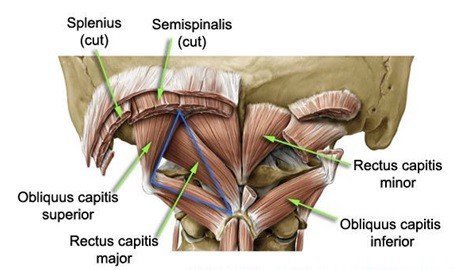
The upper cervical spine plays a particularly important role. Its joints, ligaments, and muscles contain a high concentration of proprioceptive receptors that help the brain understand head and neck position.
One muscle in this region – the obliquus capitis inferior – has the highest density of proprioceptive receptors per gram of muscle in the entire body.
If these sensory signals become inaccurate due to injury, stiffness, muscle tension, postural strain, or age-related changes, they can conflict with visual or vestibular input.
When this happens, the brain may struggle to integrate the information, leading to dizziness or unsteadiness (Kristjansson et al., Manual Therapy, 2009).
Common triggers and contributing factors
Because your neck provides important information for your sense of balance, certain movements, postures, or changes in the cervical spine can make symptoms more noticeable.
Common contributing factors include:
- Neck trauma, such as whiplash from a motor vehicle accident
- Normal age-related changes affecting the cervical joints or discs
- Inflammatory conditions affecting cervical joints or soft tissues
- Prolonged forward-head or sustained postures
- Reduced neck mobility or changes in joint mechanics that alter sensory feedback
People often notice symptoms are more likely to appear or worsen when:
- Turning the head sharply to one side
- Looking up or down for long periods
- Holding one posture too long (eg reading, driving, computer work)
Neck pain or injury can disrupt the sensory input the brain relies on for balance, resulting in dizziness that is closely linked to neck movement or position (Zhou et al., Frontiers in Neurology, 2025).
Typical symptoms
The symptoms of cervicogenic dizziness can vary from person to person, but they often include:
- A sense of lightheadedness, unsteadiness, or “floatiness”
- Feeling off-balance, especially with head or neck movement
- Difficulty focusing or a foggy, disconnected feeling
- Neck pain or stiffness, often more noticeable on one side
- Headaches that occur alongside the dizziness
The hallmark of cervicogenic dizziness is the combination of neck discomfort and dizziness that is consistently related to neck movement or position (Wrisley et al, 2018).
How physios diagnose cervicogenic dizziness
There’s no single test that can confirm cervicogenic dizziness.
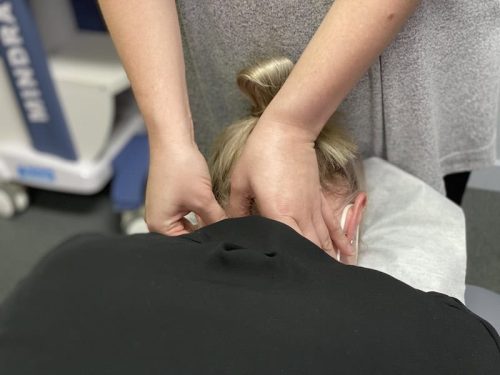
Instead, diagnosis involves a structured assessment that looks for a clear link between neck symptoms and dizziness, while ruling out other possible causes. This is why it’s considered a diagnosis of exclusion (Reid et al., JOSPT, 2017).
A thorough assessment usually includes:
- Detailed history: When your symptoms began, what triggers them, and whether they change with neck movement or neck discomfort.
- Vestibular assessment: To rule out inner ear conditions such as BPPV, Ménière’s disease, vestibular neuritis, or other vestibular problems.
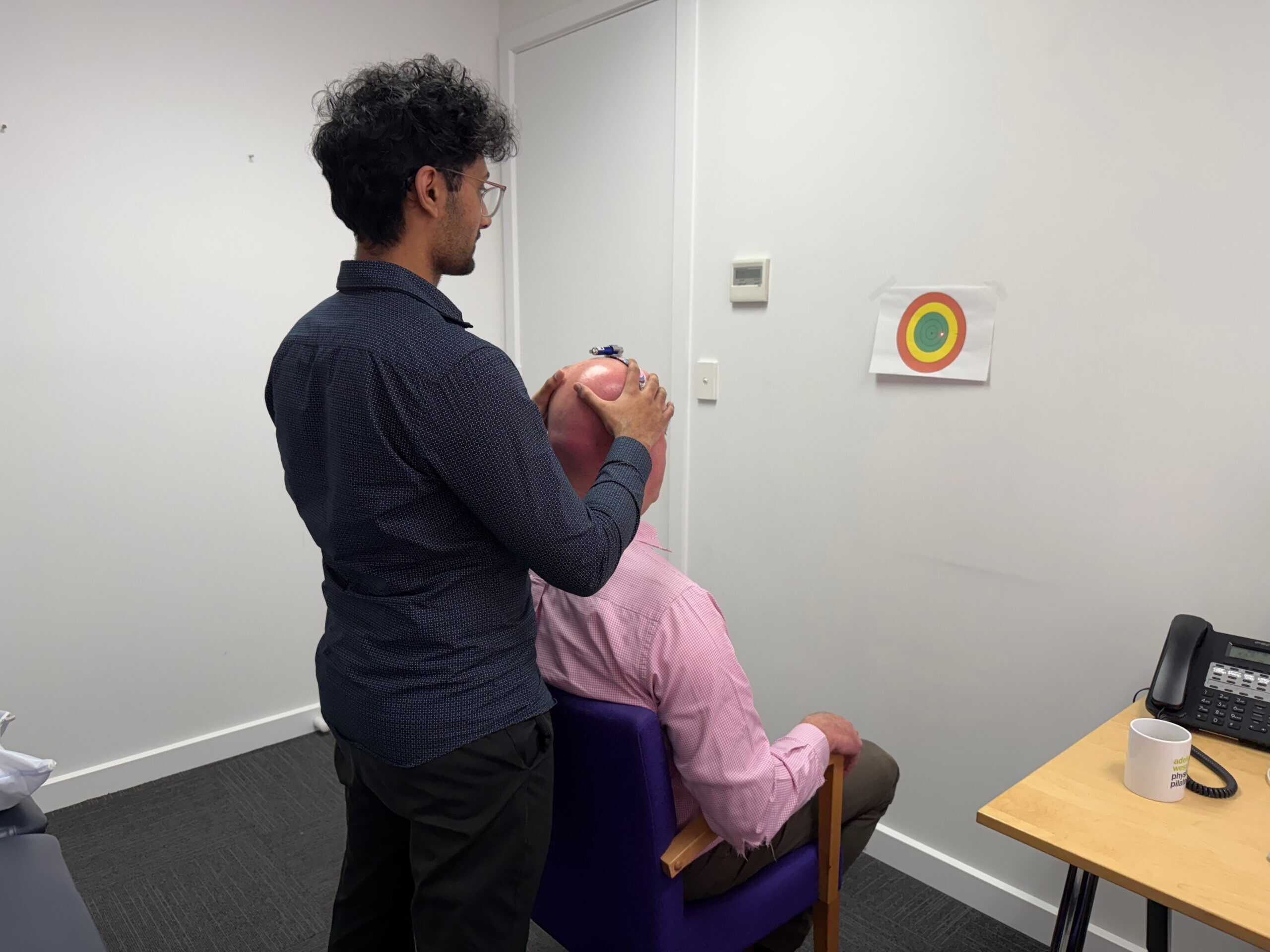
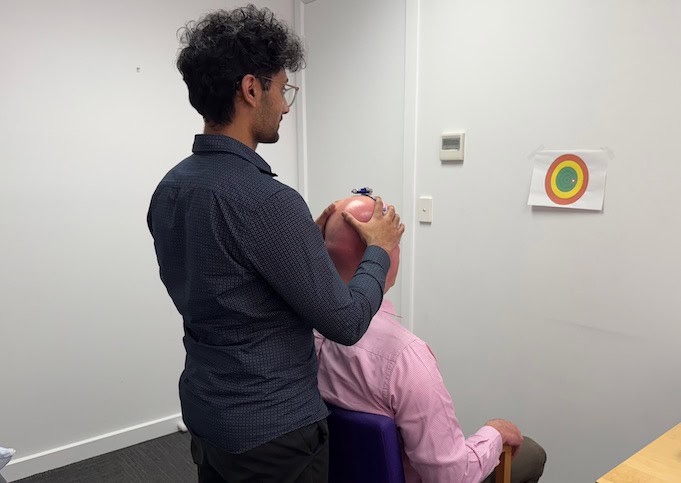
- Neck examination: Checking movement, muscle function, posture, and proprioception — including tests like joint position error or the smooth pursuit neck torsion test.
- Neurological screening: To check for signs of nerve or central nervous system involvement.
- Other tests if needed: Such as blood pressure checks, imaging, or referral to an ENT or other medical specialist for further input.
This step-by-step approach helps determine whether the neck is contributing to your dizziness, while ensuring that other important causes aren’t overlooked.
Not Sure If Physio Can Help? Ask Us First - FREE CALL
Chat with a qualified physio free and find out if we’re the right fit for your needs.
Call 8356 1000 to organise a FREE ‘ASK A PHYSIO’ PHONE CALL today!
How physios treat cervicogenic dizziness
Once other causes of dizziness have been ruled out and the neck is identified as the main contributor, treatment focuses on restoring normal movement, control, and sensory feedback in the cervical spine.
Physiotherapy may include:
- Manual therapy: gentle joint mobilisation, soft tissue techniques or muscle release to improve neck mobility and reduce discomfort.
Improved movement often leads to clearer proprioceptive signalling from the upper cervical spine.
- Sensorimotor retraining: exercises designed to retrain how the neck, eyes, and balance system work together. This may include:
– joint position error retraining
– movement control exercises
– eye–neck coordination drillsThese aim to restore accurate input to the brain, reducing dizziness over time.
- Posture and movement retraining: addressing sustained postures or movement habits that place load on the upper cervical spine.
Small changes to desk setup, reading position, or driving posture can reduce symptom flare-ups.
- Strengthening and mobility exercises: targeted exercises to improve deep neck stability, upper cervical mobility, and overall movement tolerance.
- Vestibular exercises (if needed): some people have mild vestibular involvement alongside neck-related dizziness.
In these cases, vestibular rehabilitation may be integrated to help reduce motion sensitivity and improve balance.
- Education and reassurance: clear explanation of what cervicogenic dizziness is, why symptoms occur, and what can influence them.
Understanding the condition often reduces anxiety and helps people feel more in control.
Physiotherapy is tailored to the individual — the specific combination of techniques depends on what is driving the symptoms and how sensitive the neck and balance system are.
If your dizziness is happening alongside neck pain, stiffness or movement sensitivity, our vestibular, dizziness and balance physio service can help you work out whether your symptoms may be neck-related, vestibular, or something else that needs further medical review.
What happens if it's left untreated?
Cervicogenic dizziness often doesn’t resolve on its own if the underlying neck issue remains unaddressed.
For some people, the symptoms stay relatively stable.
For others, they may gradually become more frequent or more noticeable – especially if neck mobility, posture, or activity levels change over time.
While cervicogenic dizziness itself isn’t dangerous once other causes have been ruled out, it can still have a meaningful impact on day-to-day life.
People often find themselves:
- avoiding certain movements or activities
- moving more cautiously or stiffly
- feeling unsure about turning their head quickly
- losing confidence with balance or exercise
Over time, these changes can lead to increased stiffness, reduced fitness, and a growing sense of frustration or uncertainty.
Getting it assessed early can help you understand what’s contributing to your symptoms and prevent these secondary effects from building up.
Safety note:
Once serious medical conditions have been excluded, cervicogenic dizziness is uncomfortable but not harmful. It does not damage the brain, inner ear, or nervous system. The main risks come from how it influences movement, activity levels, and confidence — which is why obtaining an accurate assessment is still important.
Prognosis
The outlook for cervicogenic dizziness is generally positive — especially when the underlying neck issue is identified and addressed.
Many people notice improvement as neck movement, posture, and sensory input return to more normal patterns (Reid et al., JOSPT, 2017). For some, symptoms may settle completely. For others, the dizziness becomes less frequent and less intense over time.
Recovery is often gradual, particularly if symptoms have been present for many months or years before getting a clear diagnosis. Changes typically occur step by step as the neck and balance system adapt.
Everyone progresses at their own pace, and your physiotherapist will review your response and adjust the approach as needed.
When to seek professional help
It’s a good idea to seek help if:
- Your symptoms are persistent or getting worse
- Dizziness is affecting your day-to-day activities, work, exercise, or driving
- You notice neck pain or stiffness that seems to link with the dizziness
- You’ve had a recent fall or injury to the neck
- Symptoms flare with particular neck movements or positions
You should seek urgent medical review if you notice new or unusual symptoms, such as:
- changes in vision
- weakness or numbness
- difficulty speaking
- severe or sudden headaches
These symptoms aren’t typical of cervicogenic dizziness and need a prompt check to rule out other causes.
Summary
Cervicogenic dizziness can be unsettling — especially when it doesn’t fit the usual “spinning vertigo” picture. Understanding that the neck can play a role in balance is often the first step toward getting clarity.
If you’re experiencing dizziness alongside neck discomfort, it’s worth having it assessed. A clear diagnosis can help rule out other causes, explain why your symptoms behave the way they do, and guide you toward options that support your recovery.
You don’t have to navigate it alone.
At Adelaide West Physio + Headache Clinic, we work with people every day who experience dizziness linked to neck movement or posture. We take the time to listen, assess what’s contributing, and outline an approach tailored to your situation.
If dizziness has been affecting your confidence or limiting your daily activities, you’re welcome to reach out and talk it through with us. A conversation can help you understand the next steps and whether physiotherapy is appropriate for your situation.
If dizziness is affecting your life, book an appointment with Aniket today to discuss your symptoms and whether physiotherapy is appropriate for your situation.
If you’d like more information about how physios approach dizziness and vertigo more generally, our dizziness and vestibular physiotherapy page might be helpful.
Talk to a Physio FREE Today!*

Frequently-asked questions
What is the difference between cervicogenic and vestibular dizziness?
Cervicogenic dizziness is a kind of dizziness that is caused by altered signalling from the neck, where the information from the neck causes a mismatch with other sources of balance information.
Vestibular dizziness is altered signalling from the vestibular apparatus of the inner ear, on one side or both sides.
How is cervicogenic dizziness diagnosed if there's no single test for it?
The diagnosis of cervicogenic dizziness is made by excluding other diagnoses, which means making sure that the testing it thorough.
There should be features of how it feels and behaves, and the results of testing that fit with cervicogenic dizziness.
What does cervical dizziness feel like?
Instead of the ‘room spinning’ of some of the vestibular conditions like BPPV or vestibular neuritis, cervicogenic dizziness is usually described as lightheadedness, fogginess or floatiness.
It will often be accompanied by neck pain or stiffness, and will be triggered by particular head movements or postures.
Can 'poor posture' contribute to dizziness?
Postures that contribute to neck pain can also alter neck proprioception and lead to altered signalling to the brain, creating to dizziness.
These postures are often related to desk work or phone use that encourage a forward head position or prolonged periods of looking down.
How do you fix cervicogenic dizziness?
It usually requires a combination of manual therapy to help improve neck movement, changes to posture and vestibular rehabilitation to optimise coordination and balance and any other deficits that exist in the balance system.
Much of the evidence suggests good outcomes with physiotherapy.
References
Kristjansson, E., Treleaven, J., & Sensorimotor Control Group. (2009). Sensorimotor function and dizziness in neck pain: Implications for assessment and management. Manual Therapy, 14(1), 36–45. https://doi.org/10.1016/j.math.2008.03.003
Reid, S. A., Callister, R., & Rivett, D. A. (2017). Effects of cervical spine manual therapy on range of motion, head repositioning, and balance in participants with cervicogenic dizziness: A randomized controlled trial. Journal of Orthopaedic & Sports Physical Therapy, 47(8), 588–597. https://doi.org/10.2519/jospt.2017.7369
Treleaven, J., et al. (2017). Dizziness associated with neck pain: Recent advances in pathophysiology, diagnosis, and management. Journal of Orthopaedic & Sports Physical Therapy, 47(7), 512–520. https://doi.org/10.2519/jospt.2017.7360
Wrisley, D. M., et al. (2018). Vestibular rehabilitation for cervicogenic dizziness: A case series. Laryngoscope Investigative Otolaryngology, 3(5), 400–405. https://doi.org/10.1002/lio2.182
Zhou, Y., et al. (2025). Cervicogenic dizziness: Advances in pathogenesis and diagnosis. Frontiers in Neurology, 16, 1549872. https://doi.org/10.3389/fneur.2025.1549872