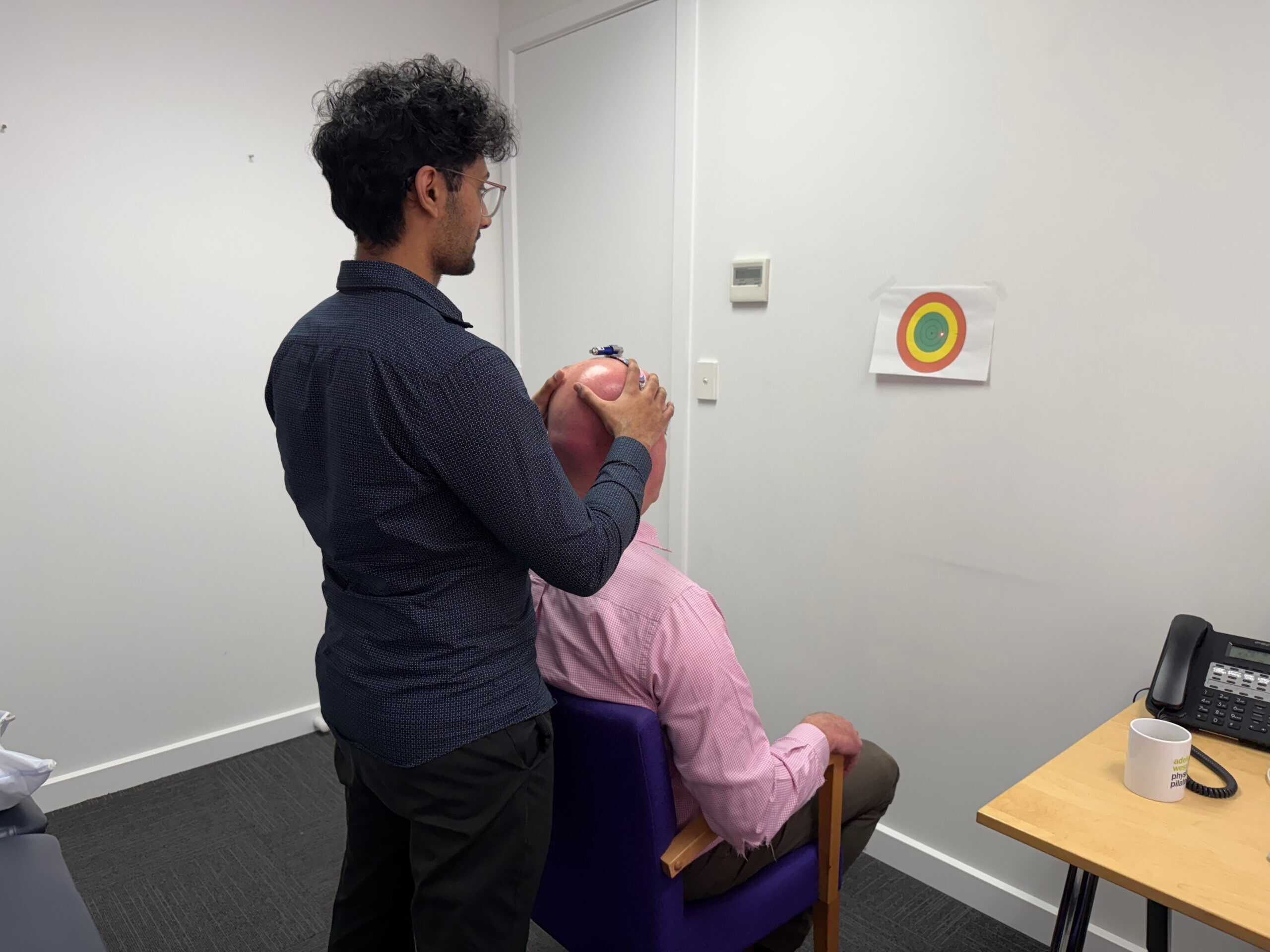
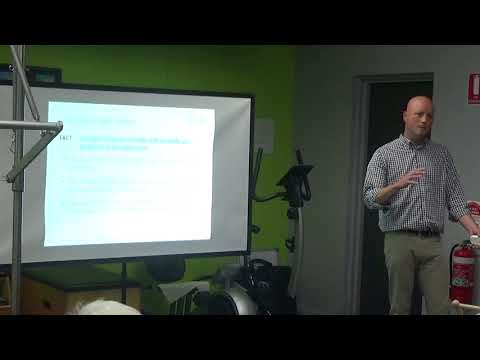
Here at Adelaide West Physio and Pilates, we recently held a seminar. The aim of helping people understand some of the deep-seated myths that exist about low back pain. This is part two of a recap of the talk, where we intend to essentially replay the talk over the next few posts. These two clips deal with critical ideas that you need to know about, whether you have back pain or not. These myths are ones that you need to know about for full recovery from low back pain.
If you missed the first part which contained the clips of myths #1 and #2, click here.
If you have any thoughts or comments about this series, feel free to post a comment on our Facebook page at Facebook.com/AdelaideWestPhysio
[If you would like to cut to the chase and get the top 10 myths in a free printable guide, just click here]
Myth #3 – ‘You shouldn’t bend forwards’ or ‘You shouldn’t bend backwards’
FACT: A healthy back has movement in all directions
We are often lead to believe that there are certain things that we shouldn’t do for fear of injuring our backs.
This may have merit in certain circumstances. In the recovery from acute low back pain there are often movements or positions that are helpful to avoid for a period of time.
It is important to understand that for full recovery from low back pain, you need to regain movement in all directions. Not only that, but you need to be confident about moving in all directions.
You are not making the best recovery from your low back pain if you are fearful of certain movements. This can be the result of being told (quite sensibly) to avoid positions or movements in the early stages of recovery.
However, if you are never shown when it is the right time and how to restart moving your back in those directions, this can lead to problems.
NB: This isn’t saying that you should move foolishly or that you should be able to do anything you like!
The point is just that your spine requires movement in all directions to be healthy. To be left with a fear of moving in particular ways or directions is detrimental to you.

Myth #4: Your spine is delicate and easily injured
FACT: Even when you back is painful, it isn’t delicate (except in rare circumstances)
It can be easy to think of your spine as being delicate when you are in the middle of an episode of low back pain. It can hurt easily or flared up easily. However, it is quite a strong structure and it is resilient too.
The amount of force that your spine can withstand is surprising, even in the course of doing everyday activities.
If you have an underlying thought that your spine is vulnerable or easily injured, your protective systems (pain, protective muscle activity and others) will naturally be heightened. They will be ready to jump in if there is any situation that is unfamiliar or challenging.
[This is really introducing the idea that what you believe can have an impact on your back pain. How much pain you experience is much more than simply a matter of how your back / tissues / joints / muscles happen to be, it is influenced by your thoughts, your beliefs, your situation and a whole lot more. But that is a story for another blog!]
One of the aims of full recovery from low back pain and complete rehabilitation is to regain the sense of strength and resilience of your spine. The aim is to feel that strength and resilience irrespective of having pain. It will in itself will reduce the amount of protectiveness that is required.
But how do you achieve the feeling of strength and resilience in your back if it hurts?
Firstly, you need a full, BS-free understanding of your condition. Often a working understanding of the pain biology that is responsible for your pain is needed.
Secondly, you need rehabiliation that doesn’t just stop at feeling ‘reasonable’ and 80% or 90%. Instead it needs to take you through to your full return to activity, sport or whatever it is that you do in life.
That might not mean ‘hands on’ treatment to get the last 10-20%. However, it might mean enough support and guidance, tools and exercises, and a game plan to get there.
We humans can be the victim of time constraints and competing priorities that mean we accept ‘OK’. However in certain situations, ‘OK’ might not be the best outcome. Particularly when the goal is to convince your all-seeing, all-protective and all-computing brain that you are truly better.
This full recovery from low back pain is usually not just specific strengthening like concentrating on your core muscles, but also general exercise and overall strengthening. Pilates is one method of achieving that, particularly when combined with other aerobic exercise and other modes of strengthening. This was the aim of our PhysioStrong programme – a safe way of working on general strengthening and aerobic fitness that goes beyond the scope of Pilates.
If you would like to speak directly with a physio to discuss your problem, simply book online for a free 15 minute pre-assessment consultation, or you can call us on 8356 1000 to organise your free pre-assessment consultation.
This session can be in-person in the clinic, which is recommended as you will get more useful information. It can also be a phone call consultation for your convenience.
If you have any thoughts or comments about this series, feel free to post a comment on our Facebook page at Facebook.com/AdelaideWestPhysio
[If you would like to cut to the chase and get the top 10 myths in a free printable guide, just click here]