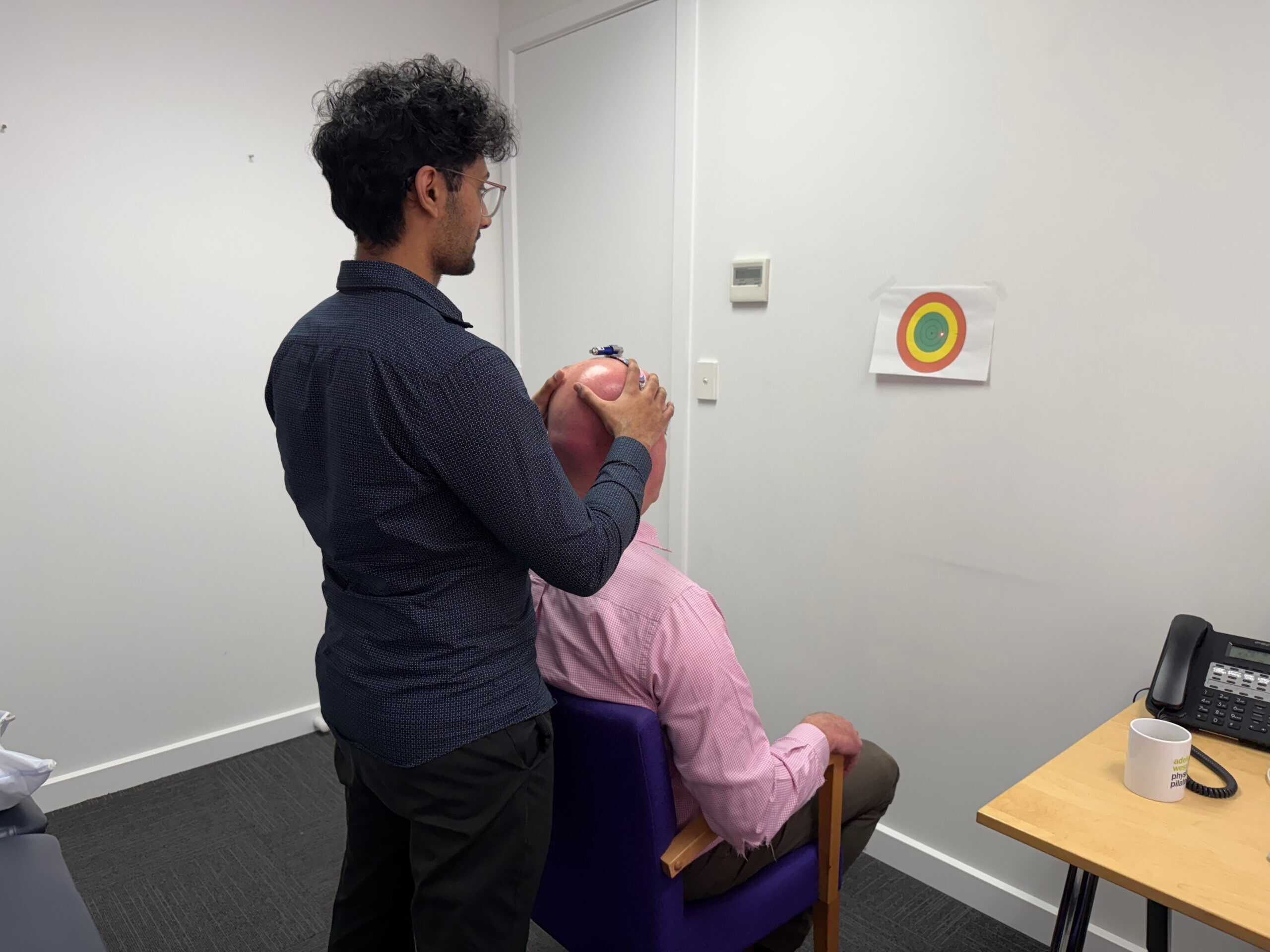
This series of blog posts is from a live seminar that was held at the Adelaide West Physio and Pilates clinic recently. It was entitled ‘Low back pain – Is Your Health Professional Giving You The Wrong Information?’ The intention of the talk wasn’t to talk down anyone or any profession, but to identify myths one by one and correct them with evidence-based information. Read on!
If you have any thoughts or comments about this series, feel free to post a comment on our Facebook page at Facebook.com/AdelaideWestPhysio
It might not be intentional. Your health professional might not even be aware that they are myths.
But disinformation might not be helping you. Or it might be quite harmful and detrimental to your recovery and improvement.
There are a lot of half-truths and complete myths that are perpetuated by health professionals because it is easier to keep using them.
Some of the myths are so embedded in some professional practice that it would be too hard to change.
I hate to say it, but some of these myths are nothing but scare-mongering.
Take home message – be careful where you get your information!
If you would like to speak directly with a physio to discuss your problem, simply book online for a free 15 minute pre-assessment consultation, or you can call us on 8356 1000 to organise your free pre-assessment consultation.
This session can be in-person in the clinic, which is recommended as you will get more useful information. It can also be a phone call consultation for your convenience.
We are really particular about making sure we explain your problem well, and using useful terms to do that. Words really do matter, and as you read through these myths, some of them directly relate to the words that are used like ‘slipped disc’, ‘degeneration’ or ‘your back is out’.
If you would like to read more about how words can directly affect pain, click here to read a great blog with some fascinating illusions to help illustrate the point.
Part 1 – Introduction
Despite the provocative title, the aim is not to talk down anyone, it is about changing some of the myths that are outdated but embedded in our culture.
Make no mistake, these myths can definitely affect your recover! If you believe something that is incorrect but it makes you behave differently or rehabilitate differently, the effects can be profound.
When your family, work colleagues, taxi driver, neighbour ask if you have had an MRI, they probably don’t know the clinical guidelines for when it is appropriate!

Part 2 – The first two myths: slipped discs and backs that ‘go out’
FACT: Intervertebral discs don’t slip, pure and simple.
Discs aren’t really disc-like anyway – they aren’t just hard, inanimate objects, or capable of slipping out of their place in between the vertebrae.
They are really firmly held in place. They blend in really well with other tissues. They can be injured, they can stretch, they change with age, they lose moisture but they don’t slip.
FACT: backs don’t go ‘out’ or go ‘back in’.
While I can accept that it can feel like things aren’t right and maybe even feel like something is ‘out’, the anatomy is such that it just isn’t possible for a joint to go ‘out’.
All the elements are far too well held together by soft tissues, including ligaments and muscle and the shape of the bony surfaces.
It is a concept that is convenient and seems very easily grasped.
However the problem is that it conjures up all kinds of incorrect thinking about how the back actually operates, and perpetuates the idea that something needs to be ‘put back in’ on a regular basis, and therefore therapist dependence.
The next time someone tells you that something is ‘out’, ask for credible published evidence that it can even happen.