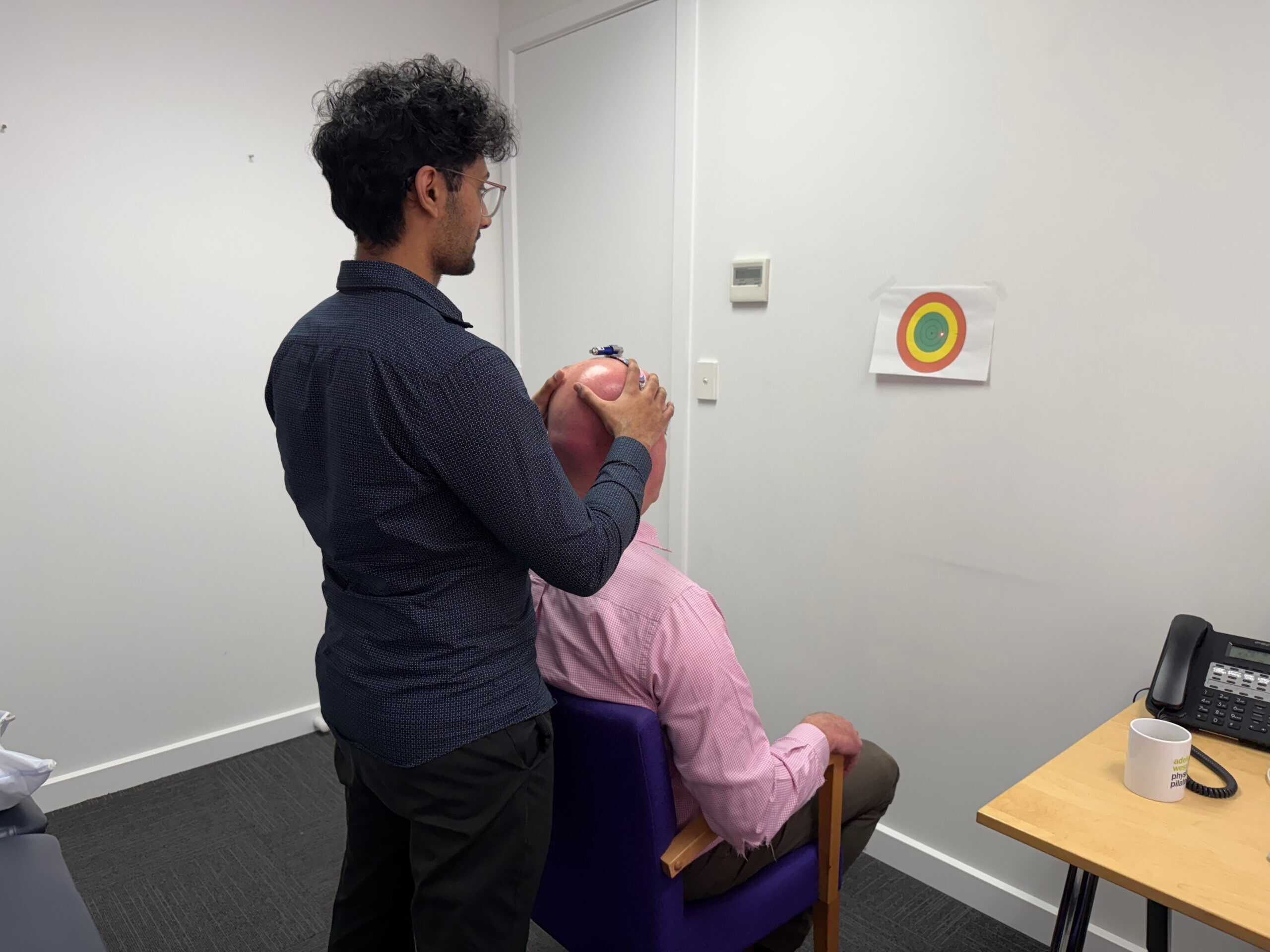
In the next part of our series covering a selection of the many myths about low back pain, here is the next snippet for you to digest! What do you think when someone tells you that you have spinal instability? I know what I would be thinking, and it wouldn’t be good!
If you missed the start of this series with clips of the talk up to this point, click here to go back to the start and see the first one.
If you have any thoughts or comments about this series, feel free to post a comment on our Facebook page at Facebook.com/AdelaideWestPhysio
[If you would like to cut to the chase and get the top 10 myths in a free printable guide, just click here]
Myth #5 – ‘Spinal instability’
FACT: When the term ‘spinal instability’ is used, it often doesn’t mean that your spine is truly structurally unstable.
The term ‘instability’ has pretty strong connotations – something that isn’t stable or strong, or something that is at risk of folding, breaking, falling apart. At risk.
Spinal instability is a term that is trotted out (often by physios) without thought for what it could mean for the recipient.
It is usually meant to describe if someone doesn’t have control of a movement or adequate strength to control a movement.
As a back pain sufferer, you could be forgiven for thinking that you are in real trouble. As a health professional treating that person, you could unwittingly be making the problem worse by using this kind of language, in a similar way to saying that something is ‘out’ could.
This term is a great way of ramping up the fear factor with someone, which in turn could increase the protective measures too ie pain or spasm.
Thankfully, true instability is relatively rare, and only occurs in specific circumstances and not the situations that people come to the physio for. By this, I mean it might be the result of large trauma that takes you to A+E, not the physio.
If someone remarks that you have spinal instability, GET THEM TO EXPLAIN EXACTLY WHAT THEY MEAN!
If you would like to speak directly with a physio to discuss your problem, simply book online for a free 15 minute pre-assessment consultation, or you can call us on 8356 1000 to organise your free pre-assessment consultation.
This session can be in-person in the clinic, which is recommended as you will get more useful information. It can also be a phone call consultation for your convenience.

If you missed the start of this series with clips of the talk up to this point, click here to go back to the start and see the first one.
If you have any thoughts or comments about this series, feel free to post a comment on our Facebook page at Facebook.com/AdelaideWestPhysio
[If you would like to cut to the chase and get the top 10 myths in a free printable guide, just click here]