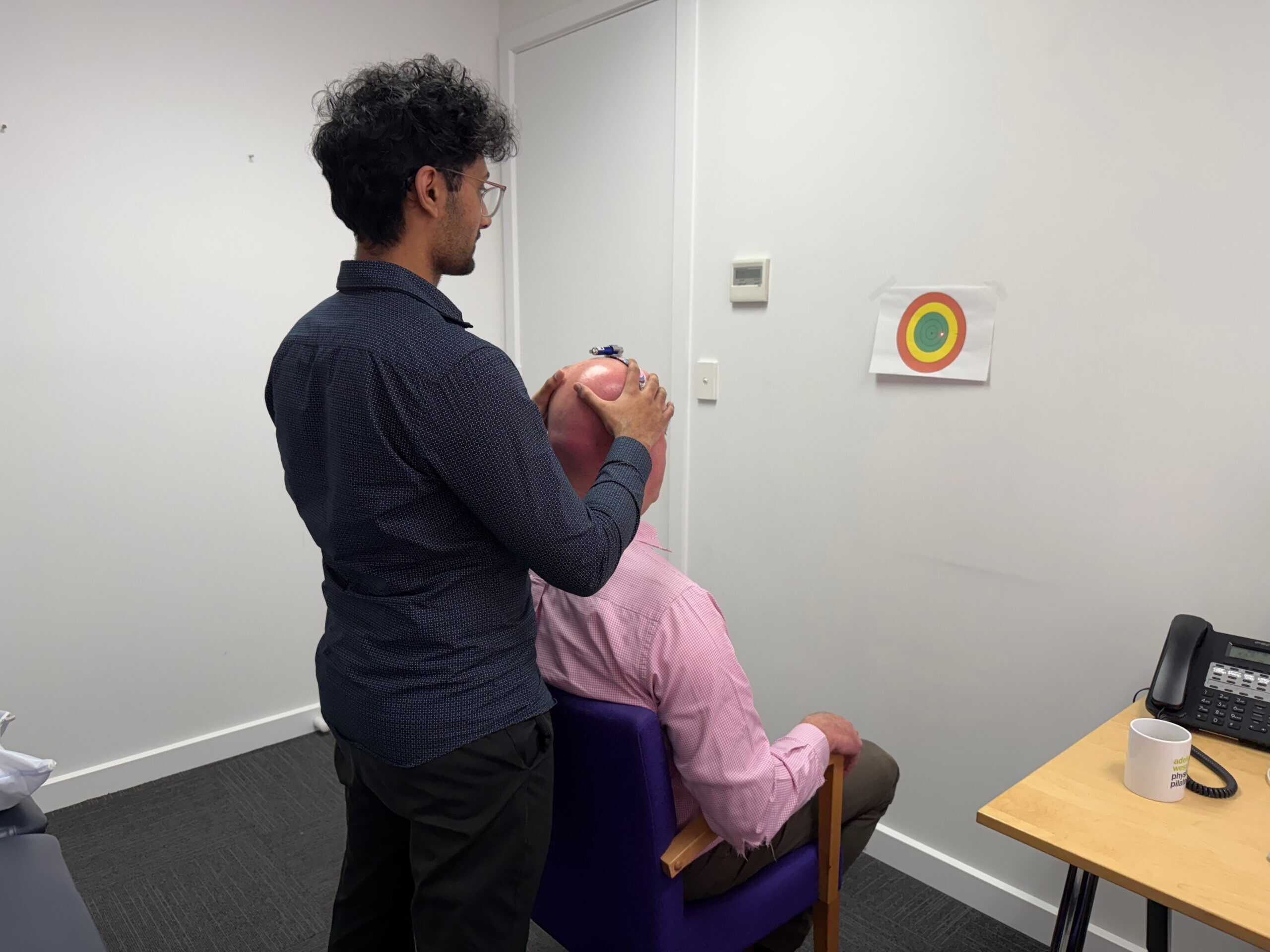
In the second of this series, we have Dr David Butler weighing in on topic of slipped discs.
If you didn’t read the first blog, you can read it here.
David has an interest in the language we use to describe our problems.
Language can make a difference to how we perceive a problem, how dangerous it is and consequently how painful it is.
When David isn’t publishing best-selling books on pain education with Lorimer Moseley, delivering keynote addresses or challenging the minds of health professionals, he likes nothing more than a day of watching Test cricket and/or fishing. Maybe at the same time.
The following is the guts of an email that David Butler sent out recently from his group, NOI (Neuro Orthopaedic Institute www.noigroup.com)
The language of the disc
“The folklore surrounding intervertebral disc injury has inspired some wildly descriptive and unhelpful language.
Slipped disc wins by a mile, but you can also blow a disc, bulge a disc, pop a disc, even say ‘I’ve got a disc’ (and just like the comment ‘I’ve got a bursa’ – the answer is always ‘I sure hope so!’ – editor’s note)
I once heard someone say that they had mulched a disc!
You could use more medical terms and say you have a ruptured, herniated or prolapsed disc.
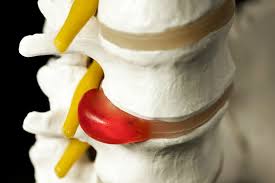
Googling images of prolapse is definitely not helpful.”
Shunting a disc? That’s a new one.
“I heard a new one the other day that made me recoil.
‘The doc said I’ve shunted a disc out in my neck.’
I didn’t know how to respond initially! I thought shunt… that’s what trains do.
Shunting is a powerful and almost unstoppable force. The term is quite ideophonetic as the sound and the association provoke ideas and imagery.
I thought of a shunting train moving between other trains at a railway station. And then I thought you can’t really unshunt either.
What a mean word when applied to an already linguistically unstable body part.
I couldn’t let it go of course, but I couldn’t resist starting my story telling with ‘let me stop you in your tracks for a moment. Your neck is no railway station and it’s certainly no train crash in there either’.”
TAKE HOME MESSAGES
- The language you use is super-relevant to your problem. You could argue that it is never more relevant than when talking about spinal problems.
If someone tells you that you have a slipped disc without really understanding that it is a rubbish term (or jokingly says ‘you are broken’), it can have a direct effect on your pain because pain is related to your brain’s assessment of perceived danger. - The internet is awash with opinions, articles and pictures that may not help in understanding your problem and in fact may be harmful!
- The medical terms used to describe discs are really strong and unforgiving – bulge, hernia, prolapse.
They shouldn’t be, but are sometimes used interchangeably. - Most importantly, all of the terms do not help in defining if something hurts or not! You CAN have a prolapsed disc that isn’t associated with any pain.
- David Butler is a funny guy.
If you have low back pain, or you know someone who does, why not have a look at our free guide on low back pain myths?
We think it does a good job of busting some of the big ones!
If you can avoid these common and pervasive ideas and understand your pain better, the literature says that you will have a better recovery. Yes, knowledge is power (but it has to be the right knowledge, not just the top search result!).
Read the list of myths and see how many you have been told in the past!