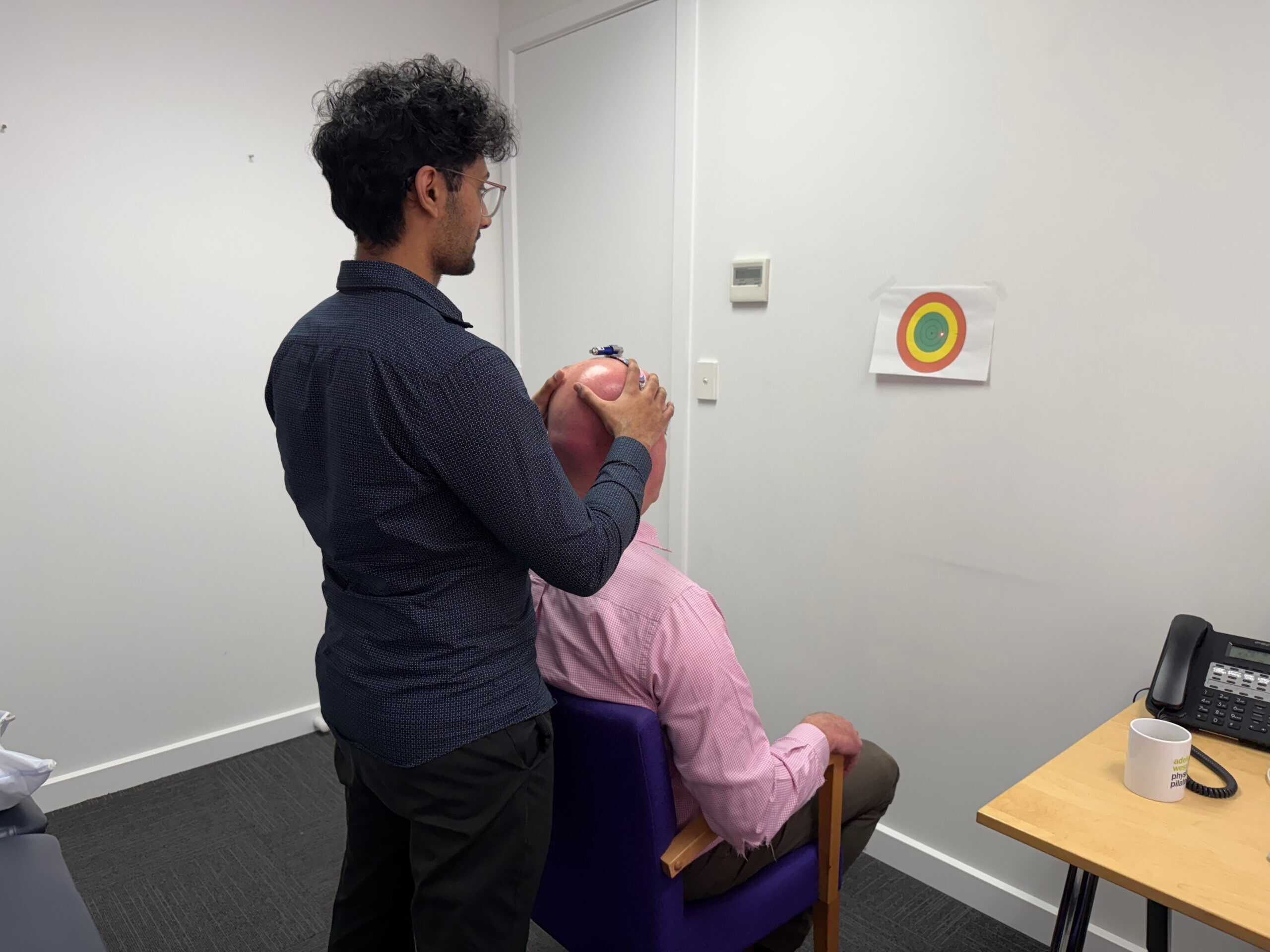
Dry needling is used by the physiotherapists at Adelaide West Physio and Pilates for treating a range of musculoskeletal conditions.
We are seeing an increasing number of people requesting this now popular technique, but what is dry needling and more importantly what are the therapeutic benefits to you?
What is Dry Needling?
Dry needling involves the application of acupuncture needles into areas of muscles known as “trigger points”, sometimes referred to as “knots” in the muscles.
A trigger point is an irritable, overactive point in muscle fascia that can be felt as a tight band or nodule, and is often painful to touch.
Is Dry needling the same as Acupuncture?
Acupuncture relies on the application of needles into predetermined “acupuncture points”, whereas dry needling is dependent on the Physiotherapists assessment and location of said trigger point areas within muscles.
Dry needling is directed solely at these areas to elicit a healing and somewhat relaxation response, whilst relieving pain and decreasing inflammation.
What are the benefits of Dry Needling?
Dry needling is fast becoming a popular and effective technique used in the treatment of the following conditions:
- Neck pain
- Muscular tightness – including neck and low back problems
- Sporting injuries
- Elbow pain and shoulder conditions
- Shin splints and many other conditions
“The evidence base for acupuncture or dry needling in various areas of physiotherapy has increased substantially over the past decade” (Australian Physiotherapy Association, 2016)
For most conditions, dry needling has little or no post treatment side effects with equal therapeutic effect that other manual therapies do.
Book in now to discuss with one of our physio’s how dry needling can help you on your road moving and feeling better!