Effective dizziness treatment starts with understanding what’s really causing your symptoms.
Dizziness can show up as light-headedness, imbalance, or a spinning sensation, and it often affects confidence, safety, and day-to-day life.
The good news is many dizziness problems are highly treatable once the underlying cause is identified.
If you are struggling with dizziness, find out more about our dizziness and vestibular physio service.
Physiotherapists trained in vestibular and dizziness assessment can play an important role in restoring balance and reducing symptoms.
This article walks you through the main causes of dizziness, the signs that need urgent review, and the ways physio can help you get back to feeling steady again.
If you’d like to talk with an Adelaide physio experienced in helping with dizziness or vertigo, please accept this invitation to call us on 8356 1000 to have a free chat with Aniket or book a call online.
- Dizziness is a symptom with many possible causes, from inner ear disorders to neck issues and migraines.
- Dizziness is incredibly common
- BPPV is one common cause of dizziness, but it is definitely not the only one.
- Understanding the nature of your dizziness – when it occurs, what triggers it, and how it feels can guide effective treatment.
- Physiotherapists trained in vestibular rehabilitation can help identify and manage these causes and treat dizziness from multiple angles.

What is dizziness? Understanding common symptoms
Dizziness is a bit of a catch‑all term – and that’s part of the reason it can be so frustrating and difficult to diagnose.
Most people describe dizziness in their own way: “I feel light‑headed,” “It’s like the room is spinning,” “I just feel off balance,” or “It’s like I’m walking on a mattress.”
Dizziness = a mismatch between what your eyes, inner ear and body expect vs what they actually sense.
In broad terms, dizziness is a feeling of unsteadiness, disorientation, or disturbed spatial awareness.
It might be fleeting, or it might linger.
It might feel like your head is floating, your vision is slightly delayed, or you’re wobbling even though you’re standing still.
And because it can stem from a whole range of different systems, including inner ear, brain, neck, blood pressure, even anxiety, it needs a careful, specific assessment to figure out what’s really going on.
A useful first step in identifying the cause is to clearly understand the type of dizziness you’re feeling.
Here are some common descriptors:
- Lightheadedness – A faint, floaty sensation, sometimes linked to dehydration or low blood pressure. This is also a common descriptor in cervicogenic dizziness
- Vertigo – A spinning feeling, as though the room is moving or you are. Usually related to inner ear conditions like BPPV and vestibular neuritis
- Dysequilibrium – A sense of imbalance or unsteadiness, particularly when walking
- Motion sensitivity – Dizziness triggered by visual environments (e.g. busy supermarkets) or rapid head movements
Doing your best to describe your symptoms will help your physiotherapist or doctor identify the underlying cause more efficiently.
Here’s the key takeaway: dizziness is a symptom, not a diagnosis.
Common causes of dizziness and vertigo
Because dizziness is a symptom, not a single condition, the list of potential causes is long. We can group the most common into a few broad categories.
Vestibular Causes
These causes involve the anatomy of the inner ear – a significant contribution to how we sense balance and motion.
BPPV (Benign Paroxysmal Positional Vertigo): This is possibly the most common vestibular disorder.
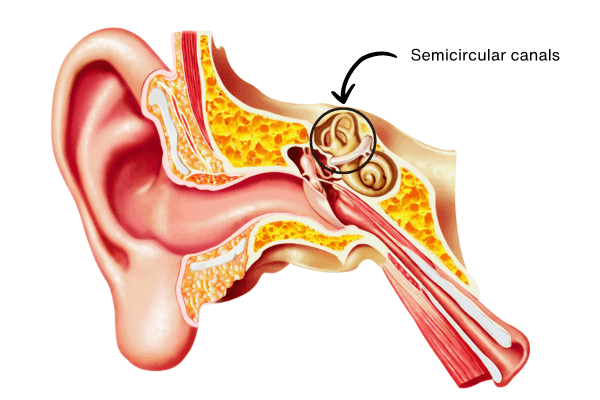
It causes short bursts of spinning (vertigo) when you move your head a certain way. Common triggers are rolling over in bed, bending or looking up. It’s due to tiny crystals (otoconia) moving into one of the semicircular canals.
BBPV responds extremely well to physio treatment.
Read more about the symptoms and management of benign paroxysmal positional vertigo.
Vestibular Neuritis: Inflammation of the vestibular nerve, often following a viral infection. It causes sudden, intense vertigo that can last for hours to days, often with nausea and imbalance. Hearing is usually not affected.
Ménière’s Disease: This is less common, but more dramatic. It causes episodes of vertigo, fluctuating hearing loss, tinnitus (ringing), and a feeling of fullness in the ear. Episodes can last from 20 minutes to several hours and often come in waves.
Persistent Postural-Perceptual Dizziness (PPPD): This condition can develop after an initial episode of vertigo or imbalance. Even after the original trigger has resolved, a persistent sensation of dizziness, swaying, or unsteadiness can continue. This happens particularly in busy environments, when visually stimulated or after periods of stress or illness.
Vestibular hypofunction: After ongoing episodes of vestibular neuritis or labyrinthitis (or other acute vestibular conditions), the brain adapts by reducing the ‘intensity’ of the signals coming from the vestibular system. But once the neuritis improves the adapted signals to the brain remain – leading to the hypofunction.
Got Questions? Speak to a PHYSIO FREE
Exploring different dizziness treatment options in Adelaide?
Book a 10-minute phone call with Aniket, our vestibular physio – no strings attached.
Call 8356 1000 to organise a FREE ‘ASK A PHYSIO’ PHONE CALL today!
Central causes and mechanisms of Dizziness
These causes for dizziness are related to the brain and nervous system.
Migraine: Vestibular migraine can cause dizziness with or without the classic headache – and it’s often mistaken for an inner ear problem. Check out our full breakdown in the vestibular migraine blog and how we can assist many people living with vestibular migraine.
A recent feature in The Guardian on vestibular migraine highlighted how transformative it can be to finally receive an accurate diagnosis and proper care.
Neurological Conditions: Conditions like stroke or multiple sclerosis can cause dizziness – but usually alongside other neurological signs.
Traumatic Brain Injury (TBI): Concussion and other brain injuries can disrupt the brain’s ability to process balance and movement signals – often leading to persistent dizziness, especially when combined with visual or cognitive fatigue.
Trauma to the vestibular organs or nerves including perilymph fistula and fractures of the temporal bone are often associated with vestibular dysfunction.
Central causes are far less common, and they usually come with additional warning signs. Your physio will screen for these at your appointment.
Other causes of dizziness
Age‑related changes: As we age, the balance system becomes more vulnerable. Vision, proprioception, and inner ear function can all subtly decline. This makes dizziness more common and falls a higher risk.
A 2024 MDPI review showed that changes in neck proprioception are especially important in older adults.
Low blood pressure or low blood sugar: Drops in blood pressure (especially when standing up quickly) can reduce blood flow to the brain, leading to light‑headedness or faintness that’s often described as dizziness. Dizziness can be a symptom of low blood sugar levels.
Medications: Some medications, particularly those for blood pressure, anxiety or depression, can have dizziness as a side effect, especially when starting or adjusting the dose. Lyrica is another medication that we hear often causes dizziness when starting it.
Anxiety and hyperventilation: Anxiety can lead to rapid or shallow breathing (hyperventilation), which alters the balance of oxygen and carbon dioxide in the blood. This change can reduce blood flow to the brain and disrupt how balance signals are processed, leading to symptoms like light-headedness, floating sensations, or feeling faint—even when there’s no structural issue with the balance system itself.
Post-concussion or post-viral dizziness: This includes symptoms that linger after head injuries, flu, COVID-19, or ear infections. The University of Queensland’s RECOVER Centre found that vestibular rehab significantly improves symptoms in these cases.

Red flags and dizziness
While most causes of dizziness are not life-threatening, there are certain symptoms that should always be taken seriously.
If you experience any of the following, it’s important to seek immediate medical attention:
- Sudden, severe dizziness or vertigo that comes out of nowhere
- Difficulty speaking, slurred speech, or facial drooping
- Numbness, weakness, or paralysis in the face, arms, or legs
- Sudden vision changes eg like double vision or loss of vision
- Loss of consciousness or fainting
- A new, severe headache, especially if it’s the worst you’ve ever had
- Chest pain or shortness of breath along with dizziness
These symptoms could be signs of a stroke, heart issue, or another serious condition that needs urgent care.
But note: these symptoms do NOT mean you have something serious — they just mean you should get medical attention quickly to be safe.
When to seek dizziness treatment
Assuming none of the red flags above are present, there are still plenty of reasons to seek help for dizziness, especially if it’s interfering with how you move, feel, or go about your day.
Some signs it’s time to talk to a physio:
- The dizziness keeps coming back, even if it’s brief
- You feel unsteady or off balance, especially when walking or turning your head
- The dizziness is triggered by certain movements like rolling in bed, looking up, or standing up quickly
- It’s affecting your confidence, limiting your activity, or making you avoid certain situations
- There are additional symptoms like blurred vision, nausea, hearing changes, neck pain, or headaches
- You’ve had a recent fall, knock to the head, or whiplash injury
Dizziness doesn’t need to be severe to be worth investigating, especially if it’s starting to impact your quality of life.
If dizziness is affecting daily life, getting a proper vestibular assessment is the fastest way to understand what’s causing your symptoms and the best way to move forward.
Find out about our Dizziness and Balance Physio Service
How we provide dizziness treatment at our Adelaide clinic
Dizziness isn’t always the first thing people associate with physiotherapy — but it’s an area where the right assessment and treatment can make a huge difference.
Our vestibular physiotherapists use a structured approach to identify which part of your balance system is causing the problem, and then tailor treatment to match your symptoms and goals.
Here’s what dizziness treatment typically involves:
1. Vestibular Rehabilitation Therapy (VRT)
Targeted exercises retrain how your brain, eyes, and inner ear respond to movement. VRT helps with conditions such as BPPV, vestibular neuritis, PPPD and vestibular hypofunction. Many people notice improvements in steadiness and confidence within weeks.
2. Balance and Gait Training
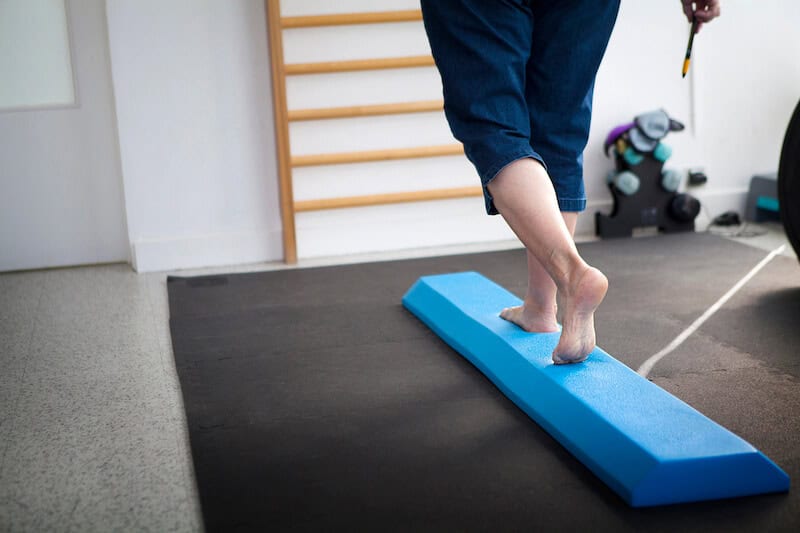
We work on the systems that keep you upright — vision, proprioception, vestibular input, and posture. This reduces unsteadiness, improves coordination, and lowers fall risk.
3. Neck Treatment (If Relevant)
For some people, dizziness comes from the upper cervical spine. Manual therapy, movement retraining and proprioceptive exercises can reduce aberrant signals from the neck. A 2025 meta-analysis found that combining neck treatment with vestibular rehab is especially effective for cervicogenic dizziness.
4. Education, Pacing and Support
Understanding your condition reduces anxiety and helps you regain a sense of control.
We explain:
- what’s driving your symptoms
- what to expect in recovery
- what to do (and avoid) between sessions
This alone often brings relief because dizziness can feel unpredictable or worrying.
Why physiotherapy works so well for dizziness
Dizziness rarely comes from one system alone. That’s why our assessment looks at:
- the inner ear (vestibular system)
- the neck and upper cervical spine
- eye movement control
- balance and gait patterns
- movement triggers, postural habits and visual sensitivity
Instead of guessing, we identify which system (or combination of systems) is contributing, then build a treatment plan around it.
Examples of What Treatment May Look Like
If your dizziness comes from BPPV: gentle, precise repositioning techniques (like the Epley manoeuvre)
If your dizziness involves the neck: mobility work, proprioception retraining and restoring normal neck input
If your dizziness relates to vestibular migraine: assessment by a Watson Headache® Certified Practitioner and upper cervical involvement screening
If symptoms point to PPPD or post-viral dizziness: a graded, confidence-building rehabilitation plan focusing on system recovery over time
Your Care Team
At Adelaide West Physio:
- Aniket Dhabade leads vestibular rehabilitation
- Russell and Lachlan support clients with cervicogenic dizziness and vestibular migraine
- Our BestBalance program is available for people wanting longer-term stability and confidence
You’re not just getting exercises, you’re getting a systematic approach from clinicians who treat dizziness every day.
Not Sure If Physio Can Help?
A quick chat can often clarify the next step.
Call 8356 1000 to organise a FREE ‘ASK A PHYSIO’ PHONE CALL with Aniket today!
What to expect at your first dizziness physio appointment
Your initial physiotherapy session will typically involve:
- A thorough discussion of your symptoms and medical history
- Eye movement control
- Balance testing
- Neck assessment
- How your body responds to positional changes
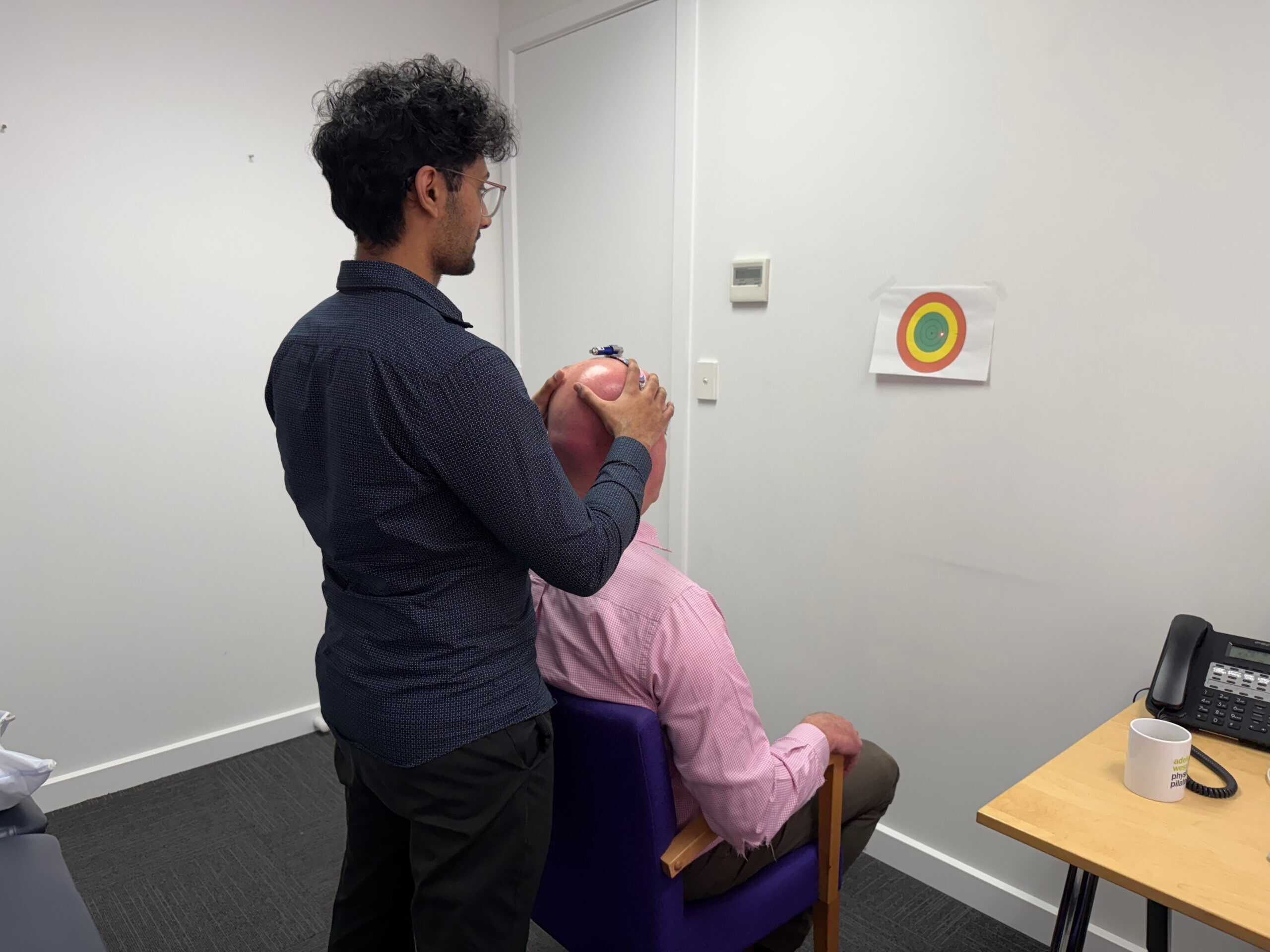
- Special diagnostic tests (e.g. the Dix-Hallpike manoeuvre, if BPPV is suspected)
From there, your physiotherapist will create a tailored treatment plan based on your individual needs and goals. This might include:
- Manual therapy for the neck
- Gaze stabilisation exercises
- Balance and postural training
- Graded exposure to movement or visual triggers
- Neck proprioception retraining
- Education and reassurance
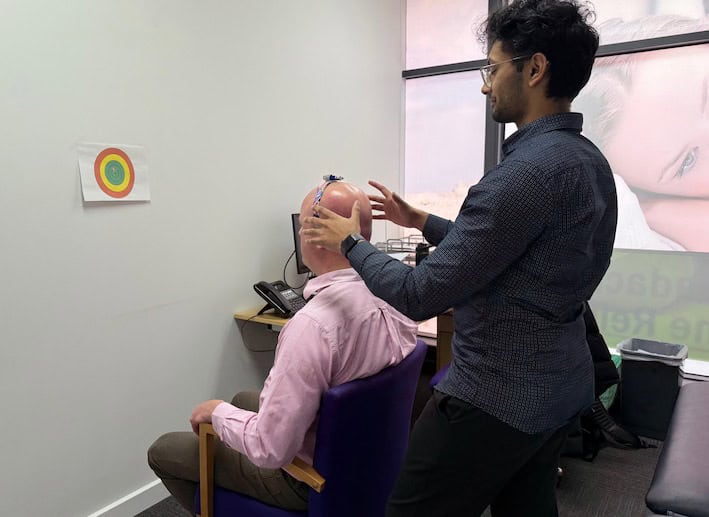
Home stratgies that can reduce dizziness
While awaiting your appointment (or alongside professional treatment) you may benefit from the following strategies:
- Rise slowly from sitting or lying positions
- Stay well hydrated
- Avoid quick, jerky head movements
- Try gaze stabilisation exercises (e.g. focusing on a fixed point while moving your head)
Remember, consistency is important—these exercises can take time to be effective.
Summary
Dizziness can feel unpredictable, frustrating, and even a little scary—but it’s not something you have to just live with.
The first step is to rule out red flag conditions with your physio or GP.
The next step is to narrow down the causes for the dizziness.
The key is proper assessment is looking at whole picture of your vestibular system, your neck, your movement patterns, and how all those pieces interact.
Once we understand the underlying cause, we can create a plan to improve your balance, reduce your symptoms, and rebuild your confidence.
This forms the basis of targeted physio for dizziness, which our Adelaide physiotherapists refine based on your specific presentation
At Adelaide West Physio, we offer dizziness and vestibular physiotherapy for people across Fulham, Henley Beach, West Beach, and Adelaide’s western suburbs.
Book an appointment online or give us a call on 8356 1000.
If you’re unsure, start with a quick free phone consult with Aniket Dhabade free of charge to see if vestibular physio is right for you.
If you’re looking for dizziness treatment in Adelaide, our vestibular-trained physiotherapists are here to help you get answers and feel steady again.
Talk to a Physio FREE Today!*

Frequently-Asked Questions
Here are the most common questions people ask when exploring dizziness treatment options.
What is the best treatment for vertigo and dizziness?
The best treatment for vertigo and dizziness depends on the cause, but many cases respond well to vestibular physiotherapy. A trained physiotherapist can assess your balance system and provide repositioning maneuvers, gaze-stabilization exercises, and vestibular rehabilitation to reduce symptoms. For conditions like BPPV, physio is often the fastest and most effective treatment.
How does vestibular physiotherapy help with dizziness?
Vestibular physiotherapy helps dizziness by retraining the balance system through targeted exercises. Treatment may include gaze-stabilization, balance retraining, and repositioning manoeuvres. These techniques reduce vertigo, improve stability, and help your brain adapt to vestibular dysfunction. Many patients notice significant improvement when exercises are performed consistently.
Can physiotherapy fix BPPV or spinning vertigo?
Yes. Physiotherapy is the primary treatment for BPPV. A vestibular physio uses specific repositioning manoeuvres such as the Epley, Semont manoeuvres to move displaced crystals in the inner ear back into place. These manoeuvres often provide immediate or same-day relief, making physiotherapy one of the most effective options for BPPV.
Should I take anti-nausea medication before my vestibular physio appointment?
Most physiotherapists recommend avoiding anti-nausea medication before your appointment unless advised by your doctor. These medications can temporarily reduce vestibular responses, making assessments less accurate. However, if dizziness triggers vomiting or severe discomfort, your physio may suggest taking medicatio
Why does dizziness keep coming back, and when should I see a physiotherapist?
Recurring dizziness may be caused by BPPV relapse, vestibular dysfunction, migraines, or balance system irritation. If dizziness interferes with daily activities, triggers vertigo episodes, or persists for more than a few days, a vestibular physiotherapist can assess and treat the underlying cause. Early treatment improves recovery and reduces the chance of recurring symptoms.
References
De Hertogh, W. et al. (2025). Cervicogenic Dizziness: Pathophysiology and Clinical Perspectives. Frontiers in Neurology.
Lystad, R.P. et al. (2025). Manual Therapy and Vestibular Rehabilitation for Cervicogenic Dizziness: A Meta-analysis. BMC Musculoskeletal Disorders.
University of Queensland RECOVER Centre. Vestibular Rehabilitation for Chronic Dizziness. recover.centre.uq.edu.au
Watson Headache® Clinic. Vestibular Migraine and a Sensitised Brainstem. watsonheadache.com
MDPI Review (2024). Age-Related Cervical Proprioceptive Changes and Balance. Journal of Clinical Medicine.
The Guardian (2025). Vestibular Migraine: A Patient’s Story. theguardian.com